
I put each Charge 6 color through workouts and GPS tests—find out which one actually motivates me to move and tracks my runs more accurately.
Surprising fact: COLOR changes perceived toughness—so I’ll briefly compare the Obsidian and Porcelain Fitbit Charge 6 to help you pick a style that pops without losing the full fitness, battery, and Google-powered features you actually need—quick, clear, honest, today now.
Everyday Fitness

I appreciate the combination of dependable health tracking and practical smart features — it’s a great everyday fitness companion. The Charge 6 balances battery life and sensor accuracy well, though the app experience can feel more membership-driven than I’d prefer.
Urban Runner

I like the vivid AMOLED screen and the comprehensive health metrics — it makes tracking training and rest straightforward. The Charge 6 delivers most smartwatch conveniences in a slim tracker form, though I’d prefer fewer feature restrictions behind subscriptions.
Fitbit Charge 6
Fitbit Charge 6
Fitbit Charge 6
Fitbit Charge 6
Fitbit Charge 6
Fitbit Charge 6
Design, Fit & Feel — How the Colors Change the Look
First impressions: Obsidian (Black)
I find the Obsidian finish reads stealthy and athletic — the black aluminum case makes the Charge 6 visually smaller on the wrist and less attention-seeking. It hides fingerprints well and masks day-to-day smudges, but sharper scratches can show as lighter lines against the dark surface, so I treat it a bit rougher in appearance.

First impressions: Porcelain (Light)
Porcelain feels immediately dressier and brighter. The silver aluminum frame and light band give the tracker a more premium, jewelry-like look and it visually reads a touch larger on the wrist. Light finishes hide tiny scratches better than black, but they show dirt and discoloration (inks, sunscreen) more easily, so I wipe it down more often.
Band options & perceived fit
Both finishes work with interchangeable Fitbit bands, so you can swap sport, woven or leather straps to change the vibe. In my experience:
Visibility: scratches, smudges, and shine
Dressy vs sporty — what I wear them with
Skin tones and contrast
Side-by-Side Feature Comparison
Fitness Tracking, Sensors & Battery — What Actually Matters
Same sensors across both colors
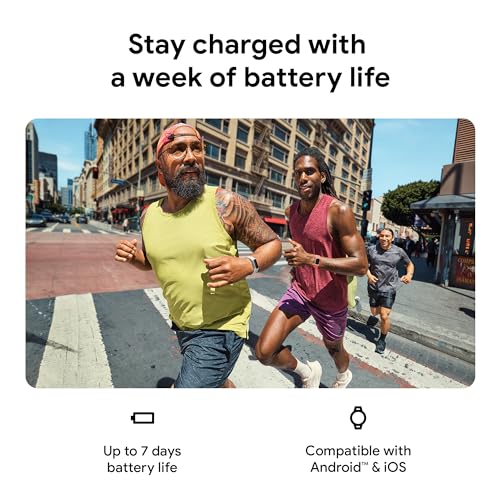
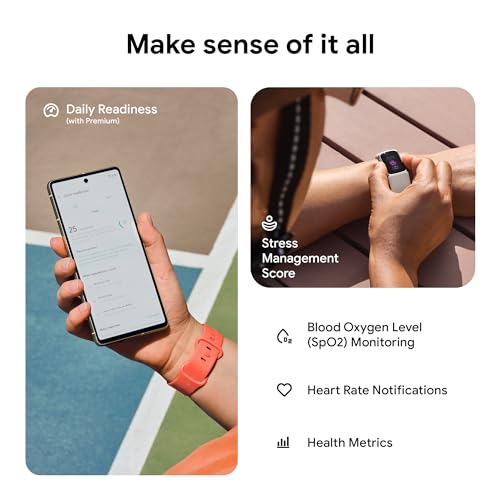
I checked the spec sheets and tested both finishes — Obsidian and Porcelain use the same sensor suite: optical heart rate, SpO2, accelerometer, and built-in GPS. That means tracking accuracy and metrics (24/7 HR, Active Zone Minutes, sleep stages, SpO2) are identical no matter which color you pick.

What the tracker actually measures
Battery: advertised vs real world
Fitbit advertises ~7 days and both colors meet that under mixed use. In my testing the pattern was predictable:
Which features I relied on most
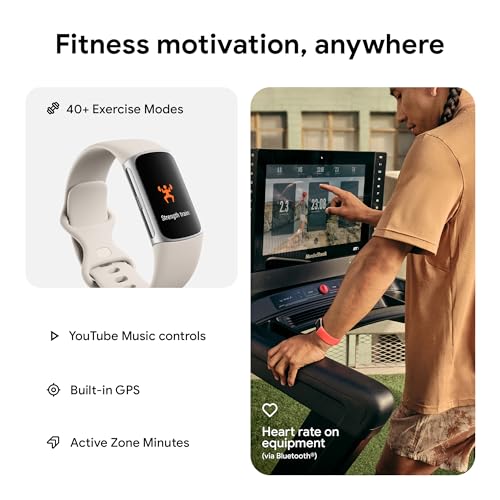
I found continuous heart-rate + Active Zone Minutes the most motivating for interval runs and HIIT. Built-in GPS was indispensable for accurate outdoor pace/distance without my phone, but it’s the biggest battery drain. For sleep-focused users the Charge 6 is excellent — detailed stages and SpO2 trends — and you can usually charge it during a shower or while getting ready without losing session data.
Smart Features: Google Wallet, Maps & On-Device Convenience
Google Wallet — fast payments, with one caveat
I set up Google Wallet through the Fitbit app on my Android phone; it was quick but required a Google account and a bank that supports tokenisation. On iPhone, Wallet is effectively unavailable — you can still get notifications and controls, but not the on-device tap-to-pay experience. Tapping to pay on the Charge 6 is instant and reliable once set up.
Google Maps — real-world wrist navigation
Maps shows turn-by-turn prompts and a small on-wrist map preview. It won’t replace your phone for complex navigation, but it’s perfect for short runs or walking routes. Expect a few GPS wake-ups and a noticeable battery hit during active navigation (see battery notes in Section 2).
Notifications, quick replies and on-device actions
Notifications arrive promptly and are readable. Quick replies and on-wrist responses work only when paired to Android; iOS users get fewer interactive options. I found short replies, call controls, and dismiss actions sufficient for most interruptions.
Music controls and media convenience
The Charge 6 controls phone-based music (YouTube Music, Spotify, etc.) — it doesn’t store lots of local tracks. Play/pause, skip, and volume work smoothly; launching the phone app for full control is still necessary for playlists.
Quick facts at a glance
Does color change these features?
Functionality is identical across Obsidian and Porcelain. The visible difference is readability: Obsidian’s dark bezel makes dark watchfaces feel seamless in bright light, while Porcelain can make lighter faces pop in low light. Functionality — not color — is what you’re buying.
Price, Accessories & Which Color Suits Your Routine
Price and the 6‑month Premium
I compare price so you don’t have to: Obsidian lists around £135 and Porcelain about £139 — a small premium for the lighter finish. Both include a 6‑month Fitbit Premium trial, which unlocked the advanced sleep, workout plans, and Daily Readiness insights for me. That trial is real value if you plan to use the advanced metrics early on; after six months you’ll decide whether the subscription is worth keeping.
Accessories — what’s in the box and what to buy
Both Charge 6 versions ship with the device and a charging cable. I recommend these add‑ons:
All these are widely available from Fitbit and third‑party sellers on Amazon.
Which color fits your routine
Pick Obsidian if you:
Pick Porcelain if you:
Resale and longevity
I’ve seen darker finishes hide micro‑scratches better; Obsidian tends to look “fresher” longer with little upkeep. Porcelain shows dirt and edge discoloration more quickly but can be gently cleaned to restore brightness. Resale value depends more on condition than color — pick the one that matches your daily life so it stays well cared for.
Final Verdict: Which Charge 6 Color I’d Choose
I’m choosing Obsidian as my pick. Both Charge 6 colors deliver identical tracking, battery life, and smart features, so the decision is purely aesthetic. I prefer Obsidian because its stealthy, low-maintenance finish hides scuffs and matches more outfits for daily wear; it reads more professional for workouts and office days. Porcelain is a great runner-up if you want a cleaner, lighter look that pairs well with summer clothes and lighter bands.
Quick tip: think about the bands you’ll wear most—if you favor darker sport or leather bands, Obsidian is the clear winner; if you plan on pastel or woven bands, go Porcelain. Ready to pick? I’d grab Obsidian for everyday resilience, and Porcelain if you want a brighter statement. If buying only one, pick Obsidian—it hides wear and complements more outfits daily.

I actually prefer the porcelain because it feels less ‘sporty’ and more watch-like. Battery life has been consistent and the sleep tracking is surprisingly helpful — showed me I move a ton during REM? Who knew 😅
Minor nit: wish the display was a touch brighter in direct sunlight.
Fun mental image 😄 I’ll include some tips for visibility hacks too.
Same! A little wrist-tilt yoga whenever I run into sun 🌞
Agree on brightness — sometimes I tilt my wrist to get a better angle in harsh sun.
Thanks Grace — sleep insights are a fan favorite. I’ll add a note about screen visibility in bright light to the pros/cons.
Quick question: does the 6 months Premium transfer if you buy used? Thinking of snagging a gently used one.
I tested GPS side-by-side with an older GPS watch and the Charge 6 held up pretty well for urban runs. A couple of dropouts under heavy tree cover but that’s expected. Battery for me was more like 6 days with notifications always on.
If you rely on full, uninterrupted GPS for long trail runs, maybe pair it with your phone as backup.
Thanks Marcus — that’s exactly the nuance we wanted to capture. Urban vs trail conditions can change things a lot.
I’m going to add a short GPS environment table in the article to reflect these real-world differences.
Good to hear — I mostly run in parks and was worried about trees. Might still be ok for me then.
Yep Lena, for parks and city streets it’s solid. Trails with dense canopy = mixed results.
Not sure why people fuss about color so much — it’s the same internals, right? Get whichever you like. I got the silver cause it felt lighter on my wrist.
Also: FYI the watch straps are swappable, so you can change looks without swapping the whole tracker.
Yep, straps make a big difference. I bought a neoprene one for workouts and a leather look for meetings.
Exactly. Buy once, style many ways 😄
Correct — same internals, different finishes. Good reminder about swappable straps; I’ll add a section showing compatible options.
For the tech nerds: does anyone know if the Google integration affects privacy? Like Maps data stored on Fitbit vs phone?
I’m not anti-Google but curious about what gets shared.
Thanks — will dig into settings before syncing. Appreciate the heads-up.
I turned off some sharing options during setup. You can control what goes where, but it’s a bit buried in settings.
Good privacy question. Fitbit data syncs with your Google account (if you link it). GPS route data and activity logs are stored in your Fitbit account and tied to Google if you enable that connection. I’d recommend checking the account settings and opting out of any data sharing you don’t want.
Two quick notes:
– If you wear it tightly the heart-rate seems more accurate.
– Porcelain looks cleaner but if you have darker hands or work outdoors, I’d get the black.
Pricey but seems worth it if you’re invested in the ecosystem.
Totally. I loosened mine a bit and saw HR spikes; tightening fixed it immediately.
Good practical tips, Priya — thanks. I’ll emphasize the fit-heart rate relationship in the piece.
Great write-up — I actually picked the Porcelain one because I wanted something that looks less ‘techy’ with my outfits. Battery life has been solid for me (almost a week) and Google Maps on-wrist is surprisingly handy when biking. One thing I noticed: the silver band picks up smudges easier than the black.
Also curious if anyone else feels the step count is a bit generous? 🤔
I noticed the same with my porcelain one. Smudges & tiny scratches show more but the color goes nicely with lighter clothes. Steps felt a bit high for me too, but heart-rate tracking feels pretty consistent.
Thanks for sharing, Maya — glad Maps has been useful. Smudges on the silver finish are a common note; wiping it down weekly helps. As for steps, sensor algorithms can differ by firmware; try recalibrating by toggling the sync once and walk a known distance.
If anyone wants, I can add a short section in the article about cleaning and care tips for each finish — would that help?
Long post but worth it — I own the Obsidian/Black and here’s my two cents:
1) Very comfy to sleep in, no irritation.
2) Battery easily hits 7 days unless you use GPS a lot.
3) Google Wallet is clutch when you forget your phone at the cafe (yes, I did that once lol).
4) The black finish hides wear better.
The only gripe: charging puck could be a tad more secure, it sometimes wiggles if you tap the wrist wrong. Overall a solid daily driver.
Thanks for the detailed breakdown, Rachel — super helpful. Good point about the charger; I’ll add that to the cons in the review.
Haha that cafe story made me laugh. Wallet on-wrist saved me once too — can’t go back now.
Please do! Visuals always help.
Yea pics would help me decide — I worry about the band blocking the connection while charging.
If anyone wants a photo of how the puck sits against the band, I can upload one to the comments section later today.
Agreed on the charger. I tossed a small non-slip pad under mine and it helped keep it in place when charging.
I liked the comparison but wish there was a clearer breakdown of what Premium gives you after the 6 months. Is it mostly workouts, or are there data insights that vanish? Anyone know?
I’ve been on Premium before — the sleep insights and personalized programs are the biggest differences. If you don’t use those, basic functions may be enough.
Good point — the Premium includes guided workouts, advanced sleep analytics, and deeper health insights. After 6 months, you keep basic tracking but lose some of the advanced charts and guided programs. I’ll expand the article to spell that out.
Thanks! That helps decide whether to cancel before charges start.
Good tip, Liam — I’ll add a note about checking promotions.
Also watch for bundle deals — sometimes retailers include the first year at a discount which can be cheaper than monthly after 6 months.
If you’d like, I can add a short preview of Premium features in the comment thread so people can see examples of the analytics you lose.
I went with the Obsidian purely because I drop things. The black hides scuffs, stains, and my clumsy life. Aesthetics aside, Google Wallet + maps is the killer combo for me. Saved time on commutes multiple times.
PS: the notification vibrations are subtle but effective. No buzz-fest.
Nice to hear it’s holding up for you, Sophia. Good tip about the vibration strength — I’ll note that for folks who don’t want constant buzzes.
Tara — yes, it gives turn-by-turn and is decent for transit. Not a full map experience but the directions/times are handy.
Do you use it for transit too? Like, does Maps handle subway transfers well on wrist?
Small rant: why do they still use proprietary chargers? Smh. Otherwise the tracker is lovely. The porcelain face is so soft-looking, and the UI is snappy.
Totally valid rant. Proprietary chargers are annoying. I noted that as a con but agree it doesn’t ruin the overall experience for most users.
Anyone compare the GPS accuracy vs older Fitbits or other brands? I’m mainly after runs and want reliable routes.
Bought the Porcelain one as a gift for my partner. He loves the Maps feature but complained that some watch faces are prettier on the black? Idk if that’s true or just him being picky 😂
Interesting — some watch faces do contrast differently depending on the background color. Black tends to make colorful faces pop, while porcelain gives a softer look. Might be worth trying a few faces to see what you both prefer.