
We pitted the Black Hole against the Base Camp Duffel—after testing straps, spills, and street cred, our pick might make you finally ditch your clunky suitcase.
We’re settling the duffel debate: we compare the Patagonia Black Hole 55L and The North Face Base Camp, slice through spec sheets, test everyday use, and deliver a witty, no-nonsense verdict so you pack smarter and regret less often today.
Adventure Ready

We love how this one balances ruggedness and everyday travel appeal — it feels built to last without being precious. It’s roomy and responsibly made, though we’d pack a small organizer if we wanted neat compartments.
Expedition Tough
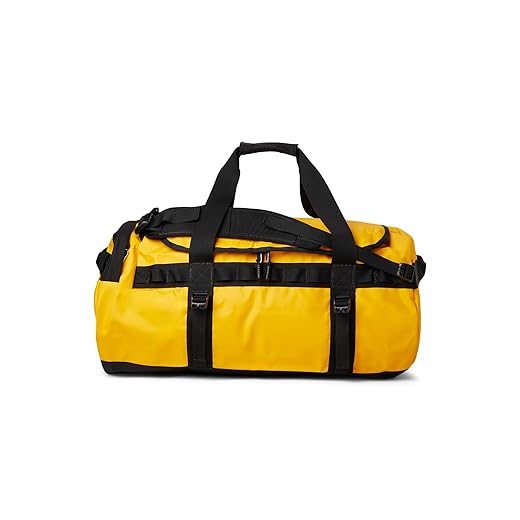
We appreciate the no-nonsense toughness and roomy layout that made this bag an icon for a reason. It’s the kind of duffel that takes abuse and keeps going, though it’s not the lightest choice if pack weight is critical.
Patagonia Black Hole
Base Camp Duffel
Patagonia Black Hole
Base Camp Duffel
Patagonia Black Hole
Base Camp Duffel
Quick Specs & Our First Impressions
At-a-glance specs
First touch — what jumped out
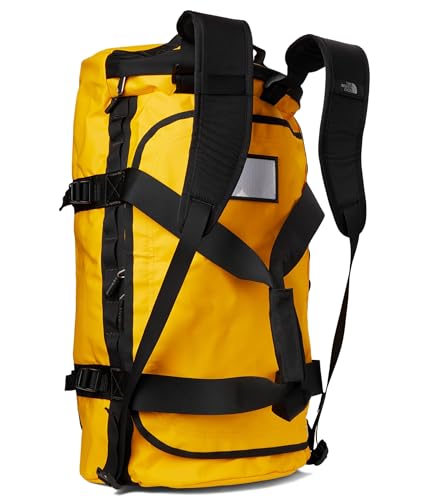
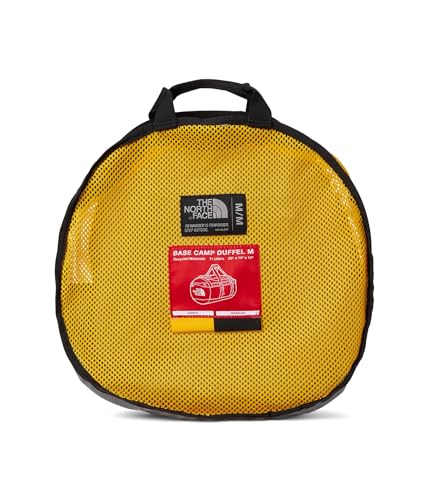
We hefted both and came away grinning: the Base Camp feels unapologetically armored — thick, stubbly fabric with a slightly waxy sheen — while the Black Hole is a touch sleeker and more pliable, with a recycled-fabric matte finish. The Base Camp’s weight shows immediately; the Black Hole felt more forgiving when swung over a shoulder.
Immediate pros & cons (quick scan)
Materials, Construction, and Real-World Durability
Fabrics & denier feel
We’re not subtle: both bags use heavy-duty laminate fabrics, but they behave differently. Patagonia’s Black Hole leans on a TPU‑laminated ripstop (recycled polyester) that feels slightly slick and flexible — high‑denier heft in a soft package (think roughly in the upper hundreds to low thousands of denier range). The North Face Base Camp uses its signature burly duffel fabric — a thick, coated weave with a tougher, almost armored hand.
Seams, reinforcements, and load handling
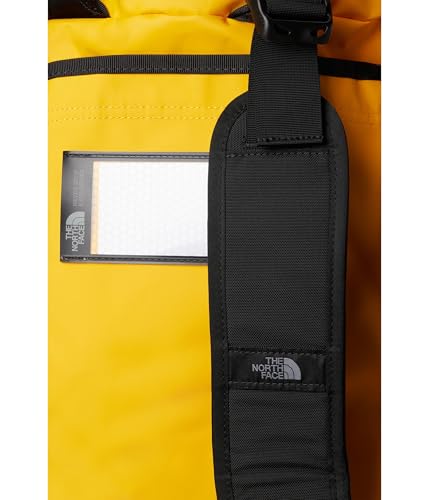
Both bags show competent construction, but priorities diverge. Patagonia favors clean taped seams, reinforced cross‑stitched webbing points, and lighter internal structure to keep weight down. The Base Camp doubles down: heavier bartacks, oversized haul handles, and a stiffer base panel designed for rough hauling.
Weather and abrasion: field tests (gravel, rain, jammed zips)
We dragged each over gravel, splashed them with brief rain, and wrestled a jammed zipper (yes, we do this on purpose).
Repairability & warranty realities
We love Patagonia’s repair-first ethos — Worn Wear repairs and a forgiving return/repair stance make fixes painless. The North Face offers repairs and a limited warranty; it’s solid but less evangelistic about repair than Patagonia. Both can be patched or seam‑sealed by an outdoor repair shop if you get adventurous.
We’ll cheer them on — both are built to survive another trip, but they do it with different attitudes: flexible vs armored.
Features, Packing, and Comfort in Use
Access: U-shaped lid vs top opening
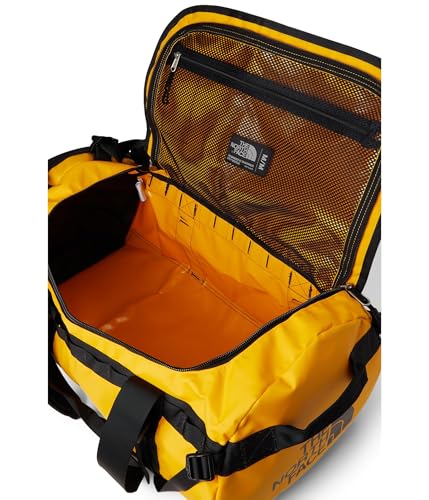
We like quick, no-fuss loading. The Patagonia Black Hole gives a wide U-shaped lid that lets us dump clothes in and actually see the bottom without doing yoga. The North Face Base Camp uses a robust top/end zip and an internal mesh sleeve — slightly less “open pit,” but more secure for organized packing.
Internal organization & lash points
Neither is a travel-cuber’s dream, but they differ:
Daisy chains, external straps, and shoulder straps
We’re honest: neither bag is a climbing harness. They both have practical lash points and webbing, not alpine daisy chains.
Packing ease, half-empty behavior, and long-haul comfort
Stuffed full: both sit nicely; Base Camp keeps shape, Black Hole bulks and becomes a cuddly brick. Half-empty: Black Hole collapses and slumps; Base Camp maintains form thanks to its stiffer panels.For long walks we prefer Base Camp for load distribution; Black Hole is livable for short treks or airport sprints.
Airline/cabin fit & packing tips we learned the hard way
Packing tips:
Side-by-Side Feature Comparison
Price, Value, and Who Should Buy Which
Sticker price vs long-term value
At ~£140 the Patagonia Black Hole 55L is a bit pricier than The North Face Base Camp at ~£119, but price isn’t the whole story. We see the Patagonia as an ethical splurge — recycled fabric and Patagonia’s repair-focused programs (hi, Worn Wear) boost long-term value. The North Face gives more capacity for less cash and feels indestructible, which also preserves resale value if you ever decide to flip it.
Resale, ethics, and manufacturer practices
Patagonia leans harder into sustainability and repair; that can translate to better resale for conscientious buyers. The North Face markets rugged longevity and weather resistance — fewer frills on ethics messaging, more battle scars. Both hold up; how you treat them matters more than the label.
Who should buy which — clear picks by scenario
Size guidance & splurge vs save advice
If you want a do-it-all expedition bag, splurge on the Base Camp’s volume and structure. If you mostly do weekends, flights, or the gym, save a little and pick the Black Hole for comfort, recyclables, and less visual baggage. We think spending more makes sense when durability or sustainability matters — otherwise, grab the cheaper volume.
Final Verdict — Our Pick
We pick the Patagonia Black Hole as our overall winner — it’s the tough, weatherproof workhorse that wins for rugged travel; The North Face Base Camp takes the crown for everyday versatility with easier organization and a dressier look.
If you want one bag for hardcore trips, buy the Black Hole. If you want an every-day-to-weekend chameleon, buy the Base Camp. Can’t decide? Get the Black Hole and brag about surviving a monsoon. Happy packing — we’ll see you at the gate. Order now and thank us later — you’ll actually use it constantly.