
Why We Love Messengers (and Why You Might Too)
Ever reach for your coffee with one hand and your laptop with the other and wish there were a third? We have. We’re slightly biased toward messenger bags — part commuter tool, part style statement, all practicality for daily urban adventures.
This guide is for city cyclists, public-transit warriors, and anyone who hates juggling devices and caffeine. We’ll cover why messengers work, the real features that matter, fit and carrying tips, material choices, and a simple buying and care checklist.
Think of this as advice from a friend who’s tried too many straps, survived to tell the tale, and still prefers a messenger — and we’ll help you pick the perfect one.
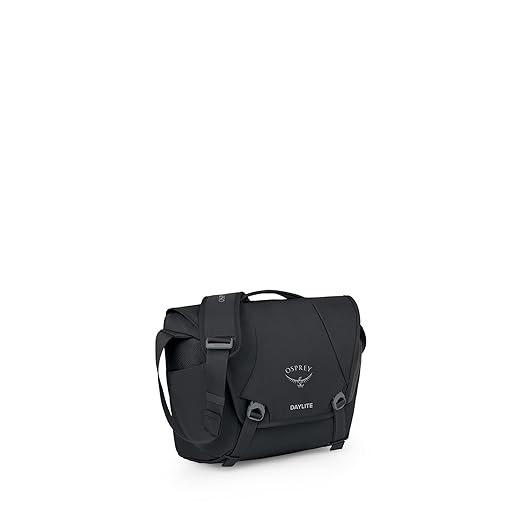
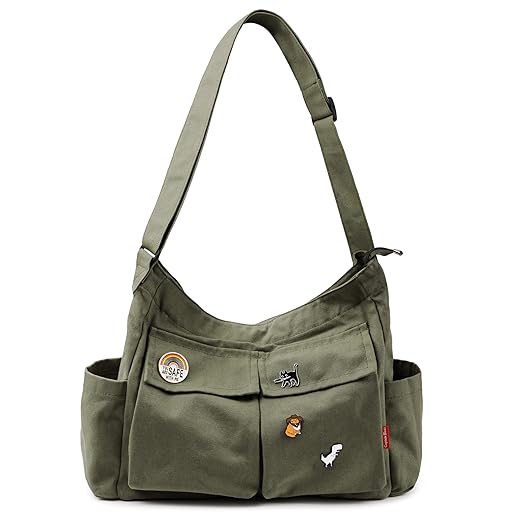
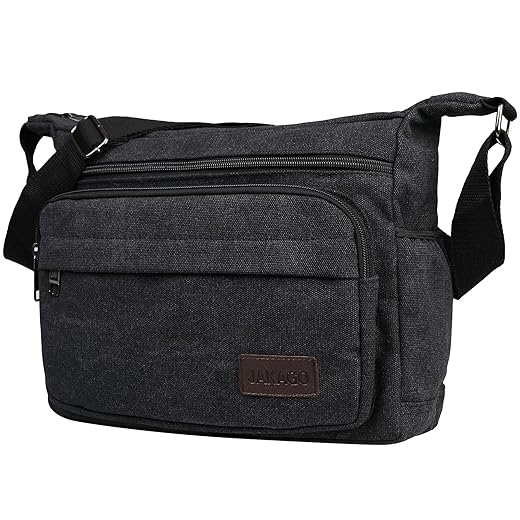

Messenger vs. Other Bags: What Makes a Messenger Our Go-To
Quick-access, on-bike advantage
We’ll say it plainly: when we’re mounted on a bike, a messenger is magic. Swing the bag around, unzip with one glove, grab a lock or snack, and sling it back without doing Olympic-level contortions. That single-shoulder design gives us immediate access while keeping the bag stable when we’re moving.
Single-shoulder carry: reachability and rhythm
Compared with backpacks, messengers let us stay in the flow. We can check our phone, tap a transit card, or retrieve a sunglasses case with one hand while keeping the other on the handlebars or a railing. Backpacks win at even weight distribution (they’re honorable and sturdy), but they’re clumsy when we want to fish out a subway pass mid-squeeze. Briefcases look sharp in a meeting but are awkward on a bike; totes are breezy but often lack structure and security.
Real-world tip: when the subway is packed, rotate the messenger to the front and lock the flap under your arm. For walking between meetings, shorten the strap so it hugs your hip and won’t swing into strangers.
Trade-offs we actually care about
Product examples and how they fit our lives
Actionable how-to: if you expect heavy laptop days, use a messenger with a padded internal panel and a waist/sternum strap to distribute weight. If you ride in the rain, pick water-resistant materials or add a rain cover. Weigh these trade-offs against how we move through the city and choose the messenger that matches our daily rhythm.
Features That Matter: The Practical Must-Haves We Won’t Compromise On
We’re practical romantics: we want bags that look good but perform even better. Below are the specific features that make a messenger worth our daily commute — and the quick, slightly ridiculous tests we use to prove it.
Padded laptop sleeve: non-negotiable
What we look for: full-length padding, snug fit for 13–15″ laptops, and a secure strap so the device doesn’t shift when we sprint for a train.Real-world test: rapid-stop coffee-slosh test — hop off a curb with a full latte and check whether the laptop moved or stayed pristine. If the sleeve fails, the bag fails.
Compartment layout & interior organization
What we look for: a logical front pocket for transit cards, pen slots, a zippered valuables pocket, and an internal divider for charger + headphones so cables don’t become a nesting doll.Real-world tip: arrange one set of “daily” items in the quick-access pocket and rotate seasonal extras into the main compartment.
Weather resistance: moods and electronics saved
What we look for: water-resistant fabric or a built-in rain flap, taped seams, and a closure style that keeps spray out.Real-world test: umbrella vs. sudden downpour — if our charger gets damp, fail. Chrome Citizen-style waterproofing is our benchmark.
Strap design & stability
What we look for: wide, padded strap; adjustable length; and a stabilizing cross-strap or removable sternum strap for cycling.Real-world test: ride 5 blocks standing and see if the bag dances off our shoulder. If it does, that strap needs help.
Quick-release buckles, closures & security
What we look for: fast buckles that don’t accidental-open, hidden zippered pockets for passport/cash, and an RFID-lined slot for cards.Real-world test: simulate subway shove — the flap should stay closed and valuables invisible to casual hands.
Volume, expandability & load management
What we look for: enough capacity for laptop + lunch + gym shoes, a subtle expansion option (zip gusset), and internal compression straps to avoid a bag that becomes a saggy mess.Quick practice: pack your heaviest day and walk it around the block. If your shoulder complains or items rattle, swap to a different model.
These details are small on paper but huge on asphalt. Next, we’ll talk about fit and how to make any messenger feel custom to our bodies.
Fit, Comfort, and Carrying Style: How to Make the Bag Feel Like Ours
We can own the same model as a dozen coworkers and still feel like it was built for our body. Fit isn’t just about measurements — it’s about where the bag sits, how it moves, and whether it stops being a good friend after two hours. Below are the practical things we change, try, and swear by.
Choosing the right size for our body and haul
Pick a bag that matches both you and your average load. If our laptop, water bottle, and lunch fit snugly without dead space, the weight hugs our back instead of pulling at the shoulder. Too big and it swings; too small and it strains.
Strap adjustment & cross-body angle
The sweet spot: the bag sits at our lower hip/upper thigh when standing upright. Adjust the strap so the bag’s top edge is roughly level with the hip bone; that keeps it easy to swing forward and access stuff.Simple rule: shorten if it bounces on sprints; lengthen if it chokes your breath when seated.
Stabilizers, sternum straps, and hip belts
For heavier days (camera, laptop, lunch, gym shoes), our shoulders need help. A removable sternum strap keeps the strap from sliding; a small hip belt transfers load to the pelvis for commutes longer than 30 minutes.If we’re biking fast or carrying >8–10 lbs, treat a stabilizer strap like insurance.
Priorities by commuting style
Quick tests & daily habits (do these before you commit)
Styling for work vs. weekends without losing comfort
For the office: shorten the strap, tuck excess webbing, and carry by the top handle for a briefcase vibe. For weekends: loosen the strap for a casual, low-slung look and move frequently used items to external pockets.Small adjustments keep comfort high while letting our messenger match whatever mood we’re in.
Materials, Durability, and Sustainability: What We Want to Last (and Look Good Doing It)
Fabrics: look, performance, and trade-offs
We want materials that survive our days — not just look good in photos. Quick pros and cons:

Hardware and construction we inspect
Good fabric is wasted on flimsy hardware. When we’re shopping, we check:
Quick test: tug on a strap, open and close zippers, and peek inside the lining. If anything squeaks, wiggles, or pulls, the bag may not survive our commute tantrums.
Choosing sustainability without breaking the bank
We don’t have to spend an arm to make greener choices:
A small habit — reproofing, quick spot-cleaning, and replacing a zipper pull — keeps a good bag in service for years. Up next, we’ll turn those choices into a compact checklist for buying and maintaining our perfect commuter messenger.
Choosing, Caring, and Budgeting: Our Simple Checklist for Buying and Keeping a Messenger
We close the main content with a no-nonsense, slightly cheeky cheat sheet: a step-by-step way to pick the right messenger and keep it looking sharp through rain, coffee spills, and commuter calamities.
Step 1 — Narrow by commute and daily carry
Start with the basics: where we ride and what we bring.
Step 2 — Fit test and feature priority
Bring the stuff you actually carry. We pack our daily load, sling it on, and simulate real moves: pedal, duck through a doorway, hop off a curb.

Step 3 — Budget bands and product examples
Be honest about lifetime vs. sticker shock.
Care: quick cleaning & cheap repairs that actually work
We treat our bags like houseplants: a little attention keeps them thriving.
Our maintenance checklist (2-minute routine)
With this checklist, impulse buys are fewer and our messengers stay functional—and fashionable—longer. Next, we’ll pack these tips into our final sling of wisdom.
Our Final Sling of Wisdom
We’ve covered why messengers beat other bags for many commutes and which features truly matter. Pick a messenger that matches your route and load, prioritize the few things you can’t live without, and aim for a fit that feels effortless. Try a couple in person when you can — movement tells the truth.
Treat your bag kindly: clean, repair, and tweak its straps so it returns the favor day after day. Above all, choose the one that makes your commute easier and makes you smile when you sling it on. Go try some, and enjoy the ride. Share what you find so we can celebrate good slings together. Happy commuting, friends — sling with a grin. 😉