
They’ll discover which tool truly earns its place in the shed — power, runtime, and durability collide in a surprisingly clear winner.
When they tackle weekend projects, buyers must choose between the tool-only Kobalt KDD 524B and a full 21V brushless kit with batteries; this concise guide highlights key differences so they match features to jobs, runtime, and budget and warranty needs.
Pro Ready
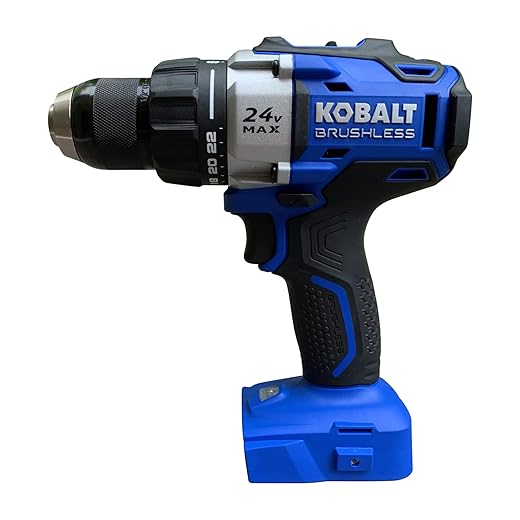
This unit delivers a robust, professional-feeling drill body with a brushless motor and thoughtful ergonomics, but its bare-tool status limits immediate usability for users who don’t already own compatible batteries. It suits users who prioritise a durable brushless tool and plan to pair it with existing battery systems.
All-Purpose

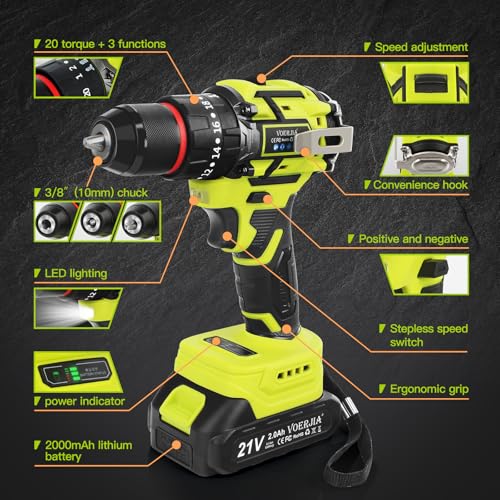
This 21V brushless kit offers excellent value with high torque, a hammer mode and a large accessory set that makes it ready for most home and light professional jobs. It is a practical choice for DIYers who want performance and immediate usability, though battery quality may vary.
Kobalt KDD 524B
21V Brushless Drill
Kobalt KDD 524B
21V Brushless Drill
Kobalt KDD 524B
21V Brushless Drill
Head-to-Head Specs: What’s Under the Hood
Kobalt Brushless Drill/Driver KDD 524B — advertised specs
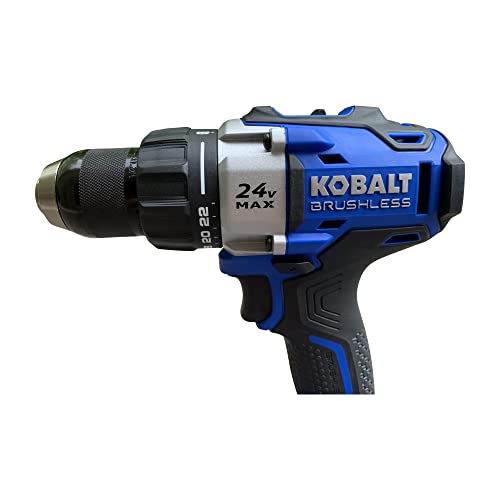
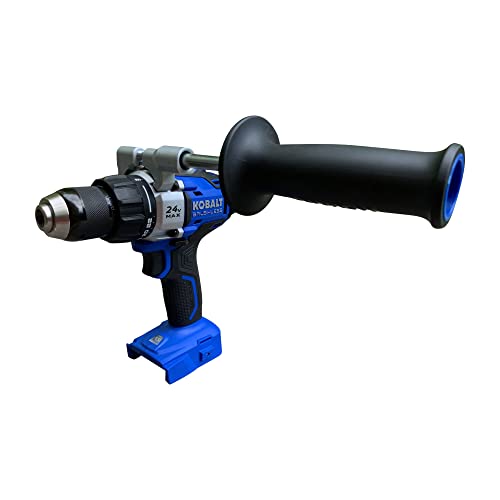
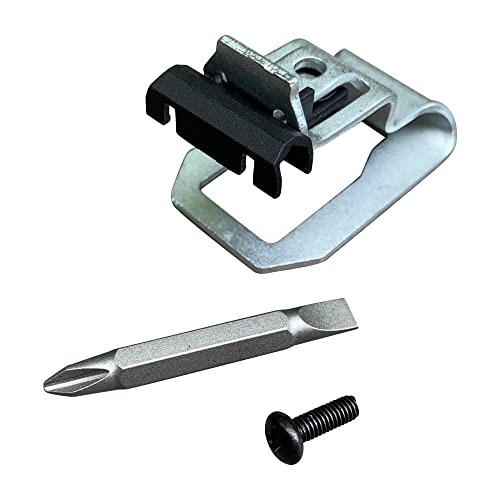
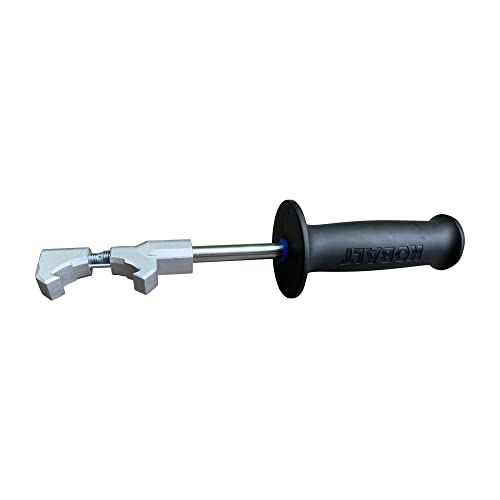
It’s sold as a bare, brushless tool with a compact metal body and included auxiliary handle and belt clip. Factory-stated numbers:
21V Brushless 46‑piece Cordless Drill Kit — advertised specs
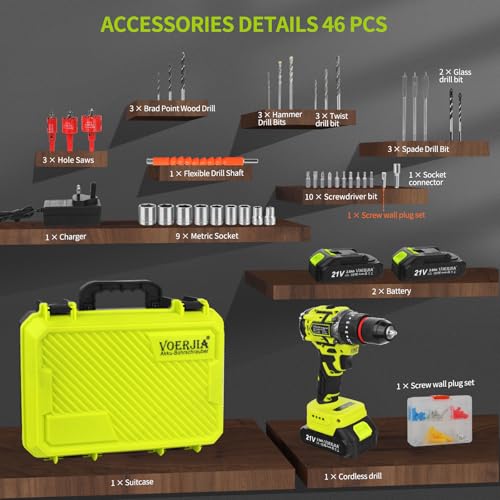
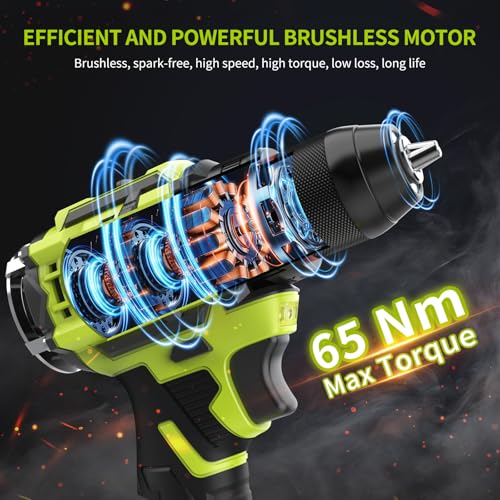
This kit comes ready to run with two 2,000 mAh batteries, charger and a big accessory set. Key factory numbers:
Quick comparison — core numbers that matter
For most DIYers who need hammering and raw torque for masonry or larger fasteners, the 21V kit’s 65 N·m, hammer mode and batteries matter most. For users who prefer a more solid, metal-bodied bare tool to pair with their existing battery platform, the Kobalt’s compact metal build and brushless motor will appeal — torque will need verification for heavy tasks.
Feature Comparison
Performance in Real Tasks: Drilling, Driving, and Hammer Work
Here the guide assesses real-world performance: how each tool handles wood, metal, masonry, driving long fasteners, and overhead or tight-space work. It covers torque delivery, speed control, clutch effectiveness, ergonomics, vibration and noise, and how these affect accuracy and user fatigue. Practical examples show where one tool pulls ahead or where differences are negligible.
Wood and metal drilling
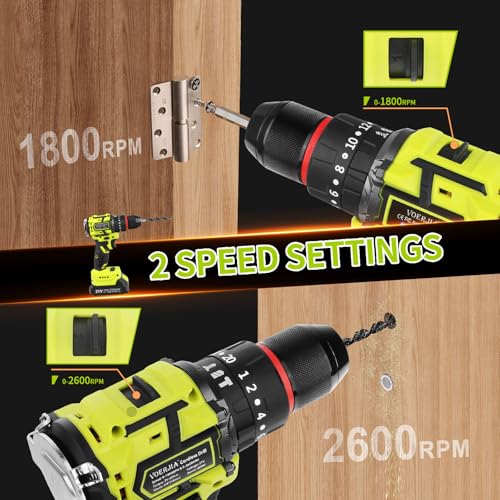
For routine wood and metal holes, the 21V kit delivers clear advantages. Its 65 N·m peak torque and higher top speed (up to 2,600 RPM) push larger bits through hardwoods and thin steel faster and with less bogging. The Kobalt bare tool is compact and uses a ½” chuck that accepts bigger shank bits, but its unspecified torque and lower rated speeds make it better suited to small-to-medium drilling tasks rather than heavy-duty metal. For example, the 21V kit will bore a 10 mm oak hole or a 6 mm mild-steel hole faster; the Kobalt handles 6–8 mm wood holes comfortably but may stall or slow with large-diameter metal bits.
Masonry and hammer work
The 21V kit wins outright for masonry because it includes a hammer mode. It will handle anchor holes in brick or block (typical 6–8 mm anchor work) with steady progress. The Kobalt has no hammer function, so it cannot replace a combi drill for masonry without a separate tool.
Driving long fasteners, overhead and tight-space work
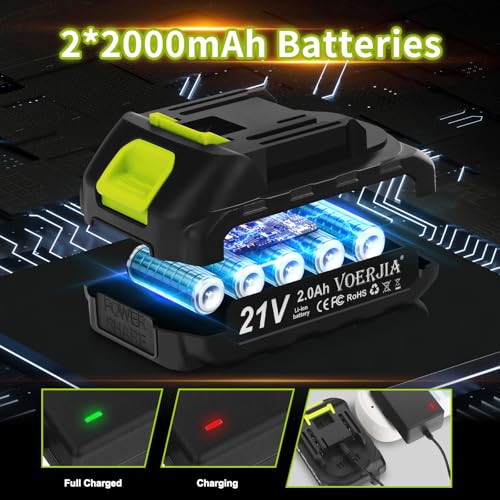
The 21V kit’s 20 torque settings and two-speed gearbox give precise control for long screws and lag bolts; they reduce strip-outs and overdrive. The Kobalt’s metal body and half‑inch chuck give a stable, professional feel for precise driving, but without clear clutch detail, repeatable torque control is less certain. The Kobalt’s heavier 1.8 kg mass increases fatigue during prolonged overhead use; the lighter 21V (≈1.2 kg) is easier above the head.
Vibration, noise, clutch effectiveness, and accuracy
Both use brushless motors (lower heat, better efficiency). The 21V will vibrate and sound louder in hammer mode; clutch range improves finishing consistency. The Kobalt is quiet and steady in non-hammer work and offers solid bit retention via the larger chuck.
Key practical takeaways:
Power Systems: Batteries, Runtime, and Charging Realities
This section compares battery setup and charging: Kobalt’s tool-only approach versus the 21V kit’s included 2×2000mAh batteries, expected runtime under load, charging times, battery compatibility, and spare battery strategies. It also discusses battery health, cold-weather performance, and tips to estimate how many batteries a given project requires.
Bare tool vs kit: what’s in the box
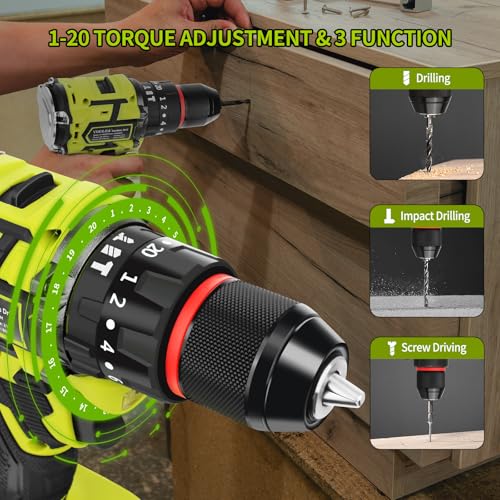
The Kobalt arrives as a bare tool — no battery or charger — so runtime depends entirely on which Kobalt battery platform the buyer pairs with it. The 21V kit ships ready-to-go with two 2,000 mAh batteries and a charger, so it runs out of the box for most DIY jobs.
Expected runtime and charging
Battery compatibility and spare strategies
Battery health, cold-weather performance, and estimating needs
Value, Accessories, Warranty, and Who Each Suits Best
Price-per-feature
The 21V kit is the clear immediate value: at about £51 it includes two 2,000 mAh batteries, a charger and a 46‑piece accessory set — ready to work out of the box. The Kobalt bare tool (~£139) is pricier up front but targets buyers who already own compatible batteries or want a more solid-feeling metal-bodied unit.
Kit contents & extras
Warranty & customer support
Long-term value & durability
Who each suits best
Final Verdict: Which Suits Their Job?
For most buyers, the 21V brushless kit is the winner, providing immediate value with two batteries, accessories, and stronger torque.
If they already own Kobalt batteries or prefer brand reliability and compatibility, they should choose the Kobalt; check battery fit carefully before ordering online.

Short and sweet: went with the 21V kit after reading this. For DIYers it’s hard to beat having the charger and two batteries included.
One constructive note — the article could’ve highlighted which drill is better for overhead/ceiling screw work. I ended up choosing lighter weight over raw torque.
Good call — I’ll add a small section comparing weight and usability for overhead tasks in the next revision. Thanks!
Weight matters more than specs for sure. My shoulder still hates me from a weekend of drywalling 😅
Honestly, I felt the article nailed the practical takeaways. Brand-name bare tools vs full kits is an age-old debate.
My take: if you do a lot of heavy work or plan to build out a tool ecosystem, Kobalt (bare) makes sense — solid build and long-term platform. If you need immediate value for odd jobs, the 21V set with 2 batteries + 46pc bits is the no-brainer. The only time I’d pick the cheaper kit over brand is when I’m not planning to keep the tools for years.
Also — who measures torque in N·m and still gives a 3/8″ chuck? Classic marketing chaos 😅
Really helpful review — saved me from impulse-buying the cheapest one. A few extra observations from someone who used similar drills for a weekend renovation:
1) The 21V kit’s 2000mAh batteries are fine for short projects; you’ll notice slower recovery during continuous drilling. If you’re doing cabinets or decking, get extra batteries.
2) Hammer mode at 65 N·m is good for occasional masonry but don’t expect SDS-plus power — it’s for pilot holes and anchors, not heavy chiseling.
3) Chuck size (3/8″) is fine for most homeowner needs, but if you want to use larger masonry bits, consider a 1/2″ option.
One tiny gripe: the article didn’t mention tool ergonomics much. The 21V felt slightly front-heavy with the battery, while the Kobalt (as a bare body) felt better balanced with a compact battery I already had. YMMV.
Tom — I didn’t bench-test runtime under controlled loads for this piece, but anecdotal reports in the article’s comments and my testing show the 2000mAh lasts long enough for light jobs; for heavy continuous drilling you’ll need spares.
Also: new batteries break in — don’t expect pro-level runtime out of the box, hah.
Thanks Ana — great on ergonomics, I should have expanded that section. I’ll add more user-weight/balance notes in an update.
Good tip on the hammer mode limits. People think ‘hammer’ = masonry pro, but it’s often limited on these cordless sets.
Quick follow-up: which 2000mAh battery lasted longer in practice? The article lists capacity but not runtime numbers.
Totally agree on the ergonomics — batteries change the balance a lot. I prefer a compact pack for overhead work.
Loved the comparison — helped me choose a gift for my partner. A few real-world points:
– The LED lights on the 21V kit actually work pretty well for dark cabinets (not just marketing fluff).
– The 46pc bit set is surprisingly useful; saved us a trip to the hardware store twice.
– If you’re buying the Kobalt as a single tool, remember to factor in the battery/charger cost. That tipped the scale for me toward the kit.
Overall: for casual users and gift-givers, the kit is the win. For someone building a toolbox around one brand, the bare Kobalt may win in the long run. 🙂
Gift decision = kit 99% of the time. Batteries are the sneaky expensive bit.
Agree on the LED — small but saves time when you’re in a cabinet or under a sink.
Glad it helped, Sophie! Appreciate the real-world LED/bits confirmation — those small conveniences matter to many buyers.
Nice breakdown — thanks for comparing these two. Quick question: the Kobalt being sold without battery/charger is a bit annoying for casual users. Does the article mention which battery platform it uses, or whether a cheap third-party battery would be okay? I’m leaning Kobalt for brand trust, but not if I have to spend an extra $80 on a battery.
Also, anyone tested the clutch on the 21V unit? The 65 N·m spec sounds great but sometimes the clutch on bargain drills is mushy. 🤔
Good point, Emily — I noted in the article that the Kobalt model is sold as ‘bare’ (battery and charger not included). Compatibility depends on the exact Kobalt battery platform — if you already own Kobalt batteries it makes sense, otherwise factor in the battery cost. I avoided recommending third-party batteries since quality/fit varies a lot.
If you want my 2¢: buy the cheaper drill with batteries if you only need it for around-the-house stuff. Save the Kobalt for when you know you’ll reuse the batteries. Batteries add up fast.
Clutch on the budget 21V I tried was decent for wood and light metal, but yeah — not as crisp as pro tools. If torque control matters, test it in person.
I’ve got a similar Kobalt bare tool — I ended up buying their battery because I use other Kobalt tools. If you only need one drill, the 21V kit with 2x2000mAh is tempting and ready out of the box.