
Can a budget watch really read your SpO2 and improve your sleep? (Short answer: yes — with caveats.)
I put ten budget smartwatches to bed, on runs, and on my wrist for a week — and kept waking up to surprising data. I wanted honest SpO2 readings and sleep insights, not flashy promises.
Most of these watches delivered useful nightly SpO2 and sleep trends. Some stood out for battery life, a bright AMOLED screen, or built‑in GPS. You can get meaningful health tracking without a luxury price tag.
Top Picks

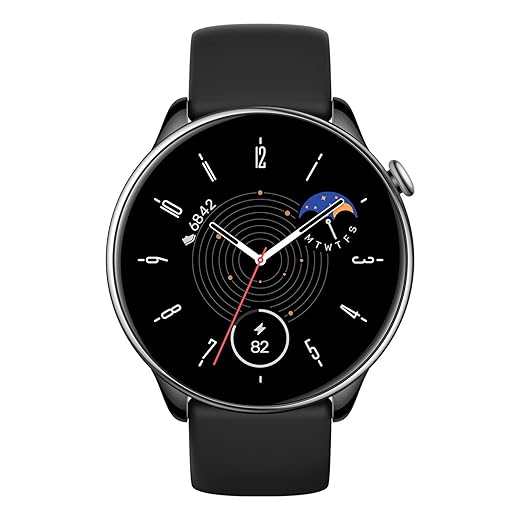


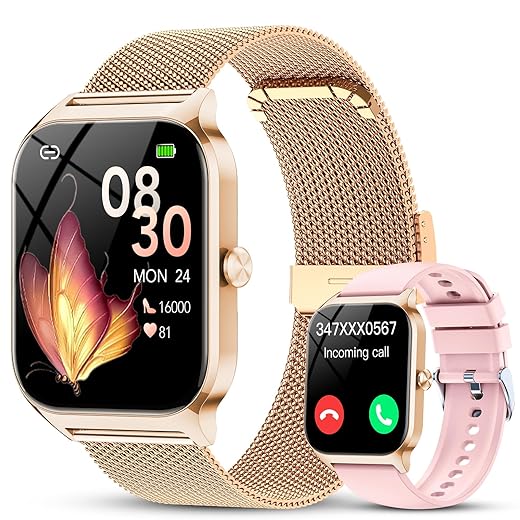
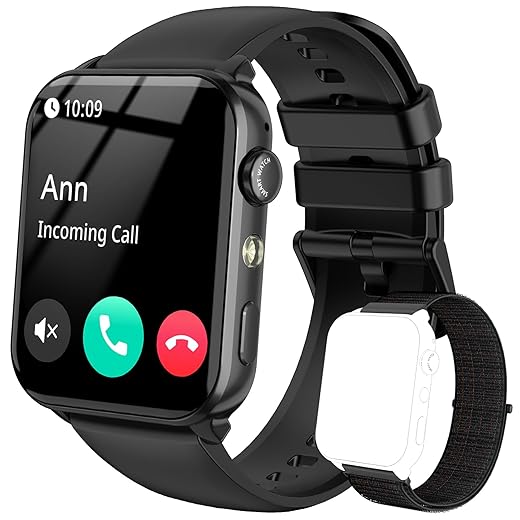
Amazfit Bip 6 — Long‑Life GPS Watch
This watch combines long battery life, accurate GPS navigation, and a broad set of health metrics in a lightweight, affordable package. It’s my top pick if you want a smartwatch that feels premium but still excels at sports tracking and battery endurance.
Why I recommend the Bip 6
I value the Bip 6 because it delivers core smartwatch and fitness features without compromising battery life. The 1.97" AMOLED is easy to read outdoors, GPS is precise for exercise mapping, and the Zepp OS offers simple but powerful coaching and analysis. For long outings or daily wear, battery endurance alone makes a strong case.
Real‑world performance and tradeoffs
In regular use I consistently saw multi‑day battery life even with frequent notifications and intermittent GPS workouts. The health sensors have shown reliable trends for heart rate, sleep and SpO2; runners will appreciate the GPS accuracy and route export options. The watch doesn’t try to be a full smartphone replacement — no Wi‑Fi calling or an extensive app store — but it focuses on doing the essentials exceptionally well.
Practical setup and user tips
Spend a little time with the Zepp app to sync routes and customise watch faces; the maps feature is powerful but takes a short learning curve. If you want the best battery, disable always‑on display and reduce continuous high‑frequency monitoring. The strap is comfortable but swapping in a third‑party band can further enhance all‑day wear.
Who should buy it
If you want a reliable fitness‑first smartwatch with outstanding battery life, accurate GPS, and strong health tracking — at a very reasonable price — this is the one I’d choose.
Amazfit GTR Mini — Compact GPS Watch
This compact round watch blends accurate GPS, 24/7 SpO2 and heart monitoring, and multi‑day battery life into a slim package. It’s a great pick for people who want a traditional watch look with reliable fitness features.
What I like about the GTR Mini
I appreciate how the GTR Mini combines a classic round design with useful fitness tracking. The built‑in GPS (five satellite systems) delivers reliable route data for runs and rides, while the Zepp OS keeps the interface snappy and battery efficient. The watch is also lightweight, which makes it comfortable for around‑the‑clock wear.
Performance and day‑to‑day use
On longer runs the GPS mapped my routes accurately and battery drain felt reasonable. The 120+ sport modes mean you can track most activities and get post‑workout summaries in the app. The AMOLED screen is crisp and bright, but you may see third‑party watch faces gated behind a small fee — not a deal breaker, but worth knowing.
Considerations and practical tips
If you prefer a single charge for multi‑day adventures, the GTR Mini is excellent. I suggest enabling moderate heart‑rate sampling if you want the two‑week battery claim; continuous highest‑frequency monitoring will reduce stamina. Also, if steps are a critical metric for you, compare step counts against a reference device and adjust expectations accordingly.
Who should buy it
Buy this if you want a compact, stylish watch with accurate GPS, strong battery life, and comprehensive health monitoring in a lightweight form factor.
Mi Smart Band 6 — AMOLED SpO2 Tracker
I found this to be an excellent entry-level fitness band with surprisingly accurate SpO2 readings and very long battery life. It’s ideal if you want core health tracking and a bright AMOLED screen without spending much.
Why I picked this band
I like this device because it gives a lot of useful health data at an ultra‑affordable price. The full‑screen 1.56" AMOLED makes reading notifications and workout stats easy, and the SpO2 and sleep breathing monitoring are uncommon at this price. For everyday wear and sleep tracking it's a very practical choice.
Real-world benefits and limits
In daily use I appreciated the long battery and the clear display: I could check my nighttime sleep summary in the morning without fuss. The SpO2 readings aligned reasonably well with a fingertip oximeter in my spot checks, which is impressive in this segment. That said, don’t expect clinical‑grade precision; it’s best for trends and flags rather than diagnostics.
Practical tips and user notes
I recommend keeping the firmware and companion app up to date to improve measurement stability. The strap included is basic — some users report irritation; if you have sensitive skin try swapping to a softer third‑party strap. Also, start workouts on your phone for route tracking as there’s no onboard GPS.
Who this is for
If you want long battery life, easy notifications, and basic SpO2 + sleep breathing monitoring at minimal cost, this band delivers strong value. If you need built‑in GPS, advanced analytics, or contactless payments, look a step up.
Amazfit GTS 2 — AMOLED Health Watch
This is a mature model that offers an excellent AMOLED display, built‑in GPS, Alexa, Bluetooth calling and comprehensive health sensors. It’s a great mid‑range choice for those who want a polished look and capable fitness features.
Why it appeals to me
I’m drawn to this watch for its balance: an attractive AMOLED screen, robust sensor suite and practical features like phone calling and Alexa. The BioTracker optical sensor provides comprehensive heart rate and SpO2 monitoring, while GPS supports accurate outdoor activity mapping.
Practical usage and limitations
In everyday use the display is vivid and notifications are easy to manage. GPS tracks routes well for most recreational runners. The watch nails the experience for users wanting a premium look without flagship pricing. Do note that battery life is shorter than basic bands — expect multiple days, not multi‑week endurance, especially with always‑on features enabled.
Tips and real‑world notes
If you value longevity, avoid leaving always‑on display and high‑frequency heart monitoring on all the time. A small number of reviewers mentioned battery failure over very long ownership — check the return/warranty terms and keep backups of firmware before significant updates.
Who should buy it
This is ideal for buyers who want a stylish AMOLED smartwatch with reliable GPS and comprehensive health tracking, and who are comfortable charging every few days.
Amazfit Band 7 — Slim AMOLED Tracker
This slim band packs an AMOLED display, blood‑oxygen sensor, and solid battery life into a lightweight package. It’s an efficient day‑to‑day tracker for sleep and activity without the extra bulk of a full smartwatch.
What this band does well
I value the Band 7 for giving core health monitoring and a vivid display in a slim format. The larger band screen is easy to read and the sensors provide consistent heart‑rate and SpO2 trends. It’s a solid daily tracker for sleep, steps, and general activity monitoring.
Everyday experience and limitations
In normal wear it’s comfortable and unobtrusive for sleeping and workouts. Battery life is typically long, and the app presents useful trends. The drawbacks are mostly physical: the strap closure on some units can loosen during active use, and there’s no onboard GPS — you’ll need a phone for accurate routes.
Practical usage tips
If you’re active in sports where GPS is necessary, bring your phone or choose a GPS‑equipped watch. Consider a third‑party strap if you have small wrists or experience occasional unfastening. For sleep monitoring, let the band collect multiple nights to see meaningful trends rather than one‑off values.
Who will like it
Choose this band if you want a low‑cost, readable tracker for health and sleep monitoring, and you don’t need advanced smartwatch features or standalone GPS.
Noise ColorFit Pro 6 — AI Smartwatch
This watch brings AI‑driven watchfaces and health coaching to a mid‑range price point, with a punchy OLED display and solid fitness tools. Some units report strap or reliability issues, so check return policies before buying.
What impressed me
I appreciated the display and the idea of AI‑driven watchfaces that adapt to usage — it makes the watch feel more personal. The Nebula UI is clean and the EN2 processor helps keep navigation smooth. Health tracking covers the essentials and emergency SOS adds an extra safety layer.
Practical experience and caveats
In everyday wear the device looks good and handles notifications well. The health metrics are suitable for general wellness monitoring; they aren’t clinical grade but are fine for trend tracking. A few users reported strap problems or inconsistent brightness on some units, so quality control can vary.
Buying advice and setup tips
If you like the AI personalization and strong display, this is an attractive mid‑tier buy. I suggest keeping watch firmware up to date and testing the strap and charging within the return window — several reviewers needed replacements. Also try different watchface options to see how the AI features match your routine.
Who it suits
This model is for people who want a stylish, AI‑accented watch with good health features and a strong screen — just be mindful of occasional hardware or software quirks.
1.8" Alexa Smartwatch with Calls
This watch packs Alexa, Bluetooth calling, SpO2 and menstrual tracking into a budget build, making it one of the most feature‑complete low‑cost watches. It trades some polish and sensor fidelity for an extensive feature list.
Why it stands out
What drew me to this model is the breadth of features at a very low price: voice assistant, call handling, SpO2, and period tracking are all present. It’s a versatile option if you want smart assistant features and health metrics together without spending a lot.
Day‑to‑day performance and tradeoffs
In daily use I found the Alexa integration and call handling genuinely useful for quick tasks and hands‑free moments. Health sensors produce usable trend data, but like many budget watches the absolute accuracy can vary. The construction is satisfactory for general wear, though not as refined as higher‑tier devices.
Practical tips and cautions
Make sure to test the watch with your phone model and set up the VeryFit app to get the most from notifications and health history. If you depend on precise clinical readings, pair this watch’s results with a medical‑grade device when needed.
Who should consider it
Choose this if you want a very feature‑rich smartwatch experience (Alexa, calls, sports modes, SpO2) and are comfortable with occasional compromises in polish and measurement exactness.
RUIMEN H1 — Budget Call Smartwatch
I found the RUIMEN H1 to be a very capable budget smartwatch: responsive screen, calling capability, and strong battery life. It’s a practical daily driver if you want features without a big price tag, though advanced accuracy may lag premium models.
Why I considered this watch
This model aims at people who want smartwatch features (calls, messages, health tracking) without paying a premium. The 1.85" display is large for the price and the GloryFit app gives a straightforward way to customise dials and view workout data.
Field notes and everyday use
I was pleasantly surprised by call quality and the reliability of notifications when kept within Bluetooth range. The battery tends to last several days, and the app allows you to select which numbers alert you on the watch. On the downside, sleep tracking accuracy and some advanced metrics aren’t as polished as premium trackers.
Practical tips
For best results, pair the watch with a reliable phone adapter when charging and keep the GloryFit app permissions enabled for full notification access. If you plan to use it heavily for sports, test a sport mode and verify the data against a secondary reference for confidence.
Who will enjoy it
This is sensible for someone who wants decent call support, a big screen, and broad activity modes on a limited budget — a pragmatic everyday smartwatch.
1.85" Women's Smartwatch with Calls
This watch gives a very large 1.85" display and the convenience of direct call answering plus many health sensors at a low price. It’s a practical companion for everyday smart features, though accuracy and polish vary by unit.
First impressions and purpose
I picked this watch for someone who wants a large, easy‑to‑read display and the convenience of taking calls from the wrist. The 1.85" screen is genuinely useful for notifications and menus, and the watch supports many common health trackers including SpO2 and sleep staging.
Real‑use strengths and weaknesses
In everyday tests the call quality and notification handling were convenient for hands‑free moments. Sleep and heart‑rate tracking worked for general trend monitoring. However, the onboard sensors and the companion app are not as refined as mainstream brands — expect occasional measurement drift and some setup friction (warranty/app registration issues reported by users).
Practical recommendations
If you rely on this watch for emergency calls or frequent hands‑free use, test the speaker/mic with a trusted contact before depending on it. Keep expectations realistic for high‑precision health metrics: use it for trends not diagnoses. If you want a more premium display or proven app ecosystem, consider stepping up to a well‑known brand.
Who this fits
This is a sensible, low‑cost option for users who prioritize a big readable display and wrist calls over ultra‑accurate sensors or polished software.
IOWODO R30Pro — Flashlight Fitness Watch
This very low‑cost watch offers an unusual set of extras (built‑in LED flashlight, large 1.91" display, call handling and many sport modes). It’s a strong value if you accept occasional compromises in accuracy and longevity.
What makes this model different
I picked this one for its quirky but practical features: a built‑in LED flashlight, a very large 1.91" display, and the ability to answer calls directly from the wrist. For carers, parents, or budget shoppers the added utility of the torch can be surprisingly handy.
My hands‑on observations
The watch is delightfully cheap and presents a broad feature set — however, don’t expect high‑end sensor performance. Step and calorie counts can drift, and some users report charging or compatibility issues over long term use. The flashlight is genuinely useful in dark situations, though.
Practical buying advice
If you buy this, view it as a functional, inexpensive gadget rather than a precise fitness instrument. I recommend buying a screen protector and watching for firmware updates to improve app compatibility. It’s also helpful to test the call function with a friend to confirm audio clarity.
Ideal user profile
Buy this if you want widest possible features for the lowest price (calls, lights, large screen) and you’re tolerant of modest accuracy and build quality tradeoffs.
Final Thoughts
My top pick is the Amazfit Bip 6 — Long‑Life GPS Watch. I recommend it if you want the most complete package: long battery life, reliable GPS for outdoor runs, and solid health sensors that handle SpO2 and sleep tracking well. Buy this one if you want a durable, sport‑ready watch that gives you multi‑day battery and actionable data for both daytime workouts and overnight recovery.
If you want the best pure budget pick for SpO2 and sleep monitoring, go with the Mi Smart Band 6 — AMOLED SpO2 Tracker. I picked it for its surprisingly accurate SpO2 readings, bright AMOLED screen, and very long battery life. Choose this if you want a discreet, inexpensive band that focuses on sleep and oxygen tracking without extra bulk.

GTS 2 looks slick — Alexa built-in and music storage is tempting. Anyone use it for music while running without phone? How’s the storage/controls?
GTS 2 can store music and play via Bluetooth headphones, so you can leave your phone behind. Storage is limited compared to full-featured devices, but sufficient for playlists or offline tracks.
I load a few playlists on the GTS 2 for runs — works fine with my BT earbuds. Controls are basic but usable.
RUIMEN being surprisingly good is a theme I see in small-budget picks. I love the idea of call answering and decent battery for a low price. Any downsides to RUIMEN in daily use?
RUIMEN is a solid daily driver for basics. Downsides can include less polished app interfaces, occasional Bluetooth quirks, and slightly less reliable sensor accuracy vs. Amazfit or Xiaomi. For the price it’s hard to beat though.
Had RUIMEN for 10 months — calling and battery were great, but firmware updates were rare. Still fine as a cheap backup/watch.
For iPhone owners: how well do these watches integrate with iOS? I don’t need deep Apple Watch features, but I want reliable notifications and sleep data that syncs to Apple Health if possible.
Most of these watches support iOS notifications reliably. However, native Apple Health syncing varies by brand — some require third-party apps to bridge data. Amazfit and Xiaomi have their own apps and third-party sync options; check if the companion app supports HealthKit.
I use the Mi Band with iPhone and get notifications fine. To sync to Apple Health I used a third-party app (like ‘Notify & Fitness’ or ‘Sleep as Android’ bridges) — a bit clunky but works.
I’ve been tracking sleep with the Mi Band 6 and it’s actually helped me spot patterns (late coffee = worse REM). The SpO2 readings sometimes bounce around, though — I use it more for trends than clinical numbers.
A few observations:
– Comfortable to wear 24/7
– Battery lasts ages
– SpO2 seems ok while resting but not stable during workouts
Would the Amazfit GTS 2 or Bip 6 give me more reliable sleep staging, or is the Mi Band already ‘good enough’ for tracking trends?
I upgraded to GTS 2 for sleep — noticed more detailed graphs and the heart-rate variability data seemed more sensible. But Mi Band is less hassle and cheaper to replace if it gets banged up.
Thanks for sharing, Olivia. You’re right that many people use these devices for trends. The Bip 6 and GTS 2 have slightly more advanced sensors and algorithms, so they may provide marginally better sleep staging and more consistent SpO2 while resting. But if you’re happy with comfort and battery, Mi Band 6 is great value.
Agree with Olivia — Mi Band gives you the ‘big picture.’ If you want deeper analysis and music/Alexa features, go GTS 2.
One more tip: whichever you choose, wear the band snugly when sleeping for the best SpO2 and heart rate readings.
IOWODO’s giant 1.91″ screen and built-in flashlight actually sound kind of useful for late-night walks and camping. I’m not expecting medical accuracy, but as an emergency backup it could be handy.
Pros:
– Big readable screen
– Flashlight + calling
– Very cheap
Cons:
– Likely sketchy long-term reliability
– SpO2 probably not clinical-grade
Anybody used the flashlight feature in a pinch?
Yep — those micro-budget watches can be surprisingly practical as backups. The flashlight is usually just an LED in the screen bezel, useful for finding a key or walking in the dark but not a replacement for a proper torch.
Used the IOWODO flashlight once when my phone died on a campsite — it was okay for short tasks. Wouldn’t rely on it for serious outdoor use.
I’m particularly interested in the women’s smartwatches that include menstrual tracking. The list mentions a few ‘Smart Watches for Women’ with that feature. Do they actually do a good job at cycle predictions and reminders, or is it a basic input field? Looking for something intuitive and private.
For better accuracy, pair the watch’s basic tracking with a dedicated app (Clue, Flo) — some watches let you export data or manually log there.
I used the ‘Smart Watches for Women’ model for 6 months — the predictions were okay but not super accurate if your cycle is irregular. Helpful for reminders though.
Great question. Most budget watches rely on the companion app for cycle tracking — you log period dates and symptoms and the app predicts future cycles. They’re fine for general reminders, but they lack the deeper analytics and privacy features of dedicated fertility apps.
If cycle/health privacy is a concern, check the app’s privacy policy before buying. Some third-party apps sync data to cloud servers.
I actually had a Noise ColorFit Pro 6 and returned it because the strap split after about 2 months of gym use. The display and AI features were great though. Buyer beware and test the band hard before the return window closes.
I bought an aftermarket strap from Amazon for the ColorFit and it’s held up much better. Might be a good cheap fix.
Thanks for the real-world report, Noah. Good reminder to stress-test straps during the return period — many sellers accept returns if there’s a defect.
Good tip, Eloise — I’ll try a better band next time.
Battery life claims are always optimistic. The Bip 6 and GTR Mini claim 14 days — how realistic is that if you use notifications, sleep tracking, and occasional GPS runs?
I get ~9 days on the Bip 6 with frequent notifications and nightly sleep tracking. Heavy GPS days cut it to 4–5 days.
Thanks — that’s useful. I guess the GTR Mini might edge out a little more if I keep GPS minimal.
Real-world battery depends on settings. With moderate notifications, daily sleep tracking and a few GPS workouts per week, expect around 7–10 days. If you heavily use GPS or continuous heart-rate monitoring it drops further. The 14-day figure usually assumes light usage.
Quick comparison: Xiaomi Mi Band 6 vs Amazfit Band 7 — both claim 14 days battery and SpO2. Is the Band 7 really better, or is it mostly cosmetic? Anyone switched from Mi Band 6 to Band 7 and noticed improvements?
Switched from Mi Band 6 to Band 7 last month. Screen is brighter and I like the watch faces more, but sleep/SpO2 tracking seemed about the same.
Good point — both are very similar under the hood. Band 7 has a slightly bigger display and updated UI; Mi Band 6 is often cheaper and has solid community support. If you want a bigger screen, Band 7; if price and accessories matter, Mi Band 6 is still a great pick.
GTR Mini looks perfect for my tiny wrist — I like that it has real GPS and 14-day battery. Anyone using it for outdoor runs and mapping? Curious about map detail and GPS lock time.
Good choice for runners who want a compact watch. GPS lock is generally fast and mapping is accurate for route tracking, not turn-by-turn navigation. For detailed offline maps you’d want a dedicated device, but for runs it’s excellent.
Used GTR Mini for 3 months of trail runs — GPS was reliable, though deep tree cover can cause a hiccup. Battery life stayed strong even with frequent GPS runs.
The AMAZFIT Bip 6 sounds like the winner for me — 14 day battery + GPS + SpO2? Sign me up. Does anyone know how big that 46mm feels on a smaller wrist? I worry it might look chunky.
I tried it on at a store — the bezel is thin so the screen looks big but it didn’t overwhelm my small wrist. YMMV 🙂
I have a 6.5″ wrist and wear the Bip 6 daily — it’s noticeable but not heavy. Looks sporty rather than oversized. If you want minimalist, go GTR Mini.
Thanks, Emily — great question. At 46mm it’s on the larger side, but the Bip 6 is relatively slim and lightweight compared to older chunky smartwatches. If you prefer less presence, the Amazfit GTR Mini or the Mi Band 6 are much smaller alternatives.
I’m skeptical of the cheaper brands like IOWODO and some of the generic ‘Smart Watch for Women’ listings. They list a ton of features but often sacrifice sensor quality. Has anyone had long-term accuracy problems with these micro-budget watches?
Had an IOWODO-like watch for 8 months — step counting and notifications were fine, but SpO2 was all over the place and the app glitched sometimes. Returned it.
RUIMEN surprised me — solid calling and battery for the price. But yes, the SpO2 wasn’t as stable as my Amazfit after a firmware update.
Fair skepticism — micro-budget watches often pack features but can have compromises in sensor accuracy, firmware updates, and build quality. They can be ok for basics (steps, notifications), but I wouldn’t rely on them for medical-grade SpO2 readings.
Alexa on your wrist is simultaneously brilliant and terrifying. Imagine getting Alexa to remind you to drink water while you’re in a meeting and it replies out loud 😂
Noise ColorFit Pro 6 seems fun though — AI watchfaces? I want that customization. Anyone worried about strap quality like the review warned about?
Strap = replaceable. The important part is the screen and sensors, which seemed good on mine.
Haha, fair point — the loudness of voice replies depends on settings. For the ColorFit Pro 6, some users reported strap wear; it’s usually an easy fix to replace the band if needed. Check the return policy if you buy one.
If your office is quiet, toggle notifications to vibrate-only. Saved me from an Alexa outburst during a conference call.
Also, if you use Alexa a lot, test the mic/speaker in-store or within the return window — voice features vary by unit.
I’ve had ColorFit Pro 6 for weeks — strap has been fine but I swapped it for a silicone band for workouts. AI faces are actually pretty neat.
If I had to pick one for the most trustworthy SpO2 and sleep tracking on a budget, which should I choose? I want the best balance of reliability and price — thinking Bip 6, GTR Mini or Mi Band 6. Any direct experience to help decide?
Short answer: Bip 6 is the most reliable overall (sensors + software), GTR Mini is best for small size without losing GPS, and Mi Band 6 is best value if you mainly want SpO2/sleep trends. If accuracy and GPS matter most, pick Bip 6; if value and form factor matter most, Mi Band 6.
I picked Bip 6 for triathlon-style runs and haven’t regretted it. GPS and battery are excellent.