
Why We Took Hardside Spinners for a Spin
We admit it: we’re the kind of travelers who judge a suitcase by how confidently it glides past us in the airport terminal. Hardside spinners caught our eye for their promise of protection, four-wheeled grace, and the occasional smug look when they breeze through crowds. Our goals for this round-up were simple: test durability, maneuverability, packing practicality, and value.
We packed, rolled, tossed, and mildly offended a few baggage carousels on purpose. We balanced real trips with deliberate indignities to see what broke, what survived, and what actually makes travel easier. Expect honest impressions, a little humor, and enough luggage puns to make you groan. Stay with us for the full rundown.


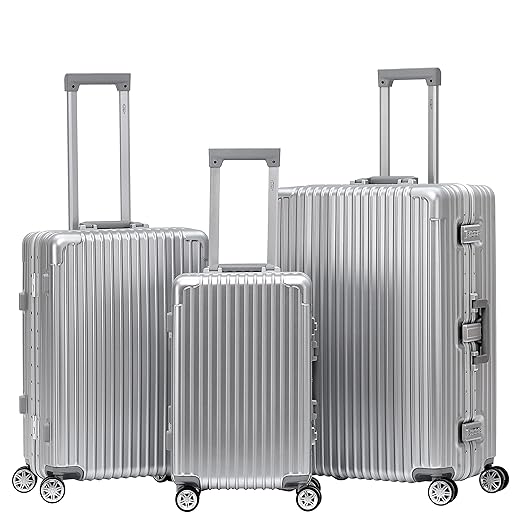
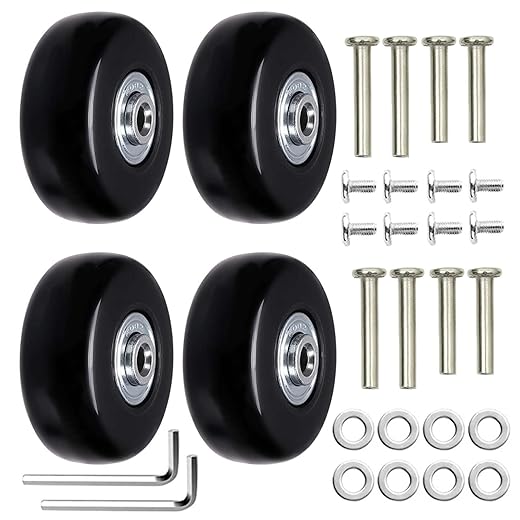
What Makes a Hardside Spinner a Best-Seller (Hint: It’s Not Just Looks)
We’ve found that the suitcases that top sales charts usually combine practical engineering with a little bit of swagger. Below we break down the concrete reasons shoppers click “buy” — and the small trade-offs that decide whether a bag survives gate-check roulette or ends up stranded in a storage closet.
Shell material: polycarbonate vs. ABS vs. hybrids
Polycarbonate flexes under impact and tends to pop back into shape — great for overstuffed packing and rough car trunks. ABS is lighter and cheaper but can crack on hard hits. Hybrids (PC/ABS blends or aluminum frames with hardside shells) try to get the best of both worlds: toughness without a wallet meltdown. For frequent flyers, we favor polycarbonate or hybrid builds.
Weight vs. strength: the real trade-off
Lighter = easier to lift into overheads; heavier = usually more damage-resistant. Ask yourself: do you lift into tiny overhead bins three times a trip, or toss the bag in a taxi? If you don’t know, choose midweight polycarbonate — lighter than aluminum, tougher than plain ABS.
Wheels and handles: everyday usability
Spinner quality makes or breaks daily use. Look for:
Functional features that actually matter
TSA locks, expansion panels, and interior organization are not just marketing. Expanders buy you flexibility; proper dividers and compression straps prevent avalanche packing. A good zipper or latch saves time and migraines — we’re embarrassingly pleased by a satisfying zipper pull.
Psychological factors (yes, they matter)
Brand trust, perceived status, and that tiny audible click of a lock all influence buying. We admit to being suckers for a smooth logo and a reassuring lifetime warranty sticker — it tells us someone expects their product to live a long life.
Next up: how we put these attributes to the test in real-world scenarios — and the mildly extreme things we did to make sure our impressions weren’t just Instagram deep.
How We Tested: Our Not-So-Scientific-but-Real-World Approach
We wanted our impressions to match what actual travelers experience—chaotic terminals, sticky curbside mats, and the occasional sympathetic gate agent. So we combined airport field work with a few home-lab simulations and lots of common-sense criteria. Below’s what we did, why, and how you can replicate the important bits yourself.
Airport field testing: gate-to-gate honesty
We rolled each spinner through terminals (including sprinting for a connection), loaded and unloaded overhead bins, and did curbside shenanigans: dragging on asphalt, pivoting on uneven sidewalks, and a few dramatic one-handed lifts into taxi trunks. These run-throughs quickly revealed handle wobble, wheel drift, and zipper frailty.
Home-lab trials: drop, drag, and scrape
At home we simulated knocks and scrapes you’ll actually see:
Wheels and handle endurance
We did repeated rolls (dozens of laps) and multi-height handle extensions to spot looseness or squeaks. Tip: if a wheel gets noisy within a dozen laps, it will annoy you on a 10-hour layover.
Packing and capacity checks
We packed realistic loads: 7 days of outfits, toiletries, a laptop, and souvenirs, then tried compression and expansion features. We looked for bulging seams, zipper strain, and interior organizer usefulness—practical stuff you can test at home.
What we didn’t do—and why that’s okay
No industrial lab bashings or proprietary material analysis. We preferred reproducible, traveler-focused tests so our findings map to real trips, not idealized stress rigs.
Notes on repeatability and edge cases
Results were mostly repeatable; one model’s handle loosened after repeated curbside lifts. Anecdote: a spinner that survived a stroller collision still refused to sit upright—proof that small annoyances beat headline-grabbing failures for daily travel misery or joy.
Performance Deep Dive: Wheels, Handles, and Shell Resilience
Wheels: the unsung heroes
Wheels determine whether your bag glides like a dream or mutters complaints on the first tile. We compared single vs. double wheels, hard plastic vs. rubberized treads, and bearings that felt buttery versus those that squeaked after a few laps. Quick takeaways from our gate-to-gate runs:
Try this at home: spin the loaded suitcase on tile, then on a doormat—differences show up fast.
Handles: engineered or afterthought?
Handles are surprisingly personality-driven—some behave like well-trained servants, others like stubborn pets. The signs of good design: dual-rod telescopes, positive detents (clicks into place), low wobble when extended, and a comfortable, non-slip grip. We did a curbside lift test—one-hand scoop into trunks—to reveal flex and button reliability. Tip: push-pull the handle rapidly; if it develops play, it’ll annoy you on long hauls.
Shell resilience: scratches, dents, and pressure tests
Not all hardside compounds respond the same. Polycarbonate flexes and pops back from dings; ABS tends to scratch but can be lighter and cheaper; polypropylene sits in between. We ran:
Practical advice:
Small, repeatable tests—rolling, lifting, and a quick scratch check—reveal real-world differences faster than specs ever will.
Real-Life Packing and Use: What Fits, What Breaks, and What Makes Traveling Easier
Packing strategies that actually work
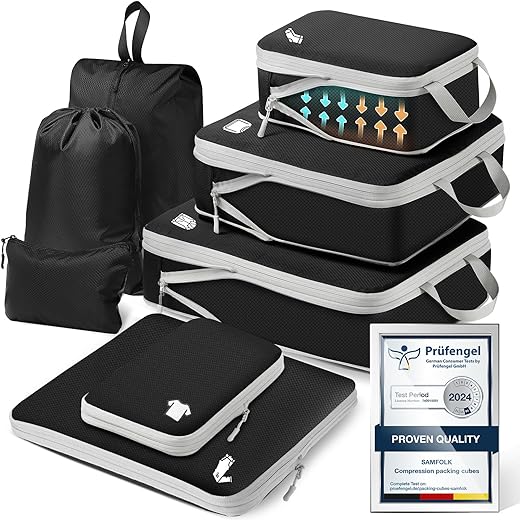
We found that efficient packing is part choreography, part Tetris. Compression cubes = instant sanity: we grouped outfits by day and activity, rolled lighter fabrics, and folded heavy items flat. When a spinner lacks an expansion zipper, we stopped trying to “just shove one more sweater in” and started pre-planning outfits. Our best hacks:
Expansion panels vs. no give
Hardside shells rarely expand—so volume is fixed. If you need wiggle room, pick a model with a soft front pocket or a hybrid hard/soft design. Otherwise, compress early: vacuum or compression cubes buy inches without drama (and without the guilt of overpacking).
Interior layout and mid-trip retrieval
Clamshell designs with zip dividers make security stops and quick outfit swaps less tragic. Mesh pockets are lifesavers for chargers and adapters; large, flat zip pockets are perfect for documents. Zipperless or magnet-only interiors look cool but cost time when you’re trying to find your passport at 5 a.m.
Carry-on realities and unexpected bruises
Measure the whole bag—wheels and handles count. Most airlines politely expect something near 22 x 14 x 9 inches; many gate agents are less polite. Also: glossy shells sometimes amplify impact, turning a half-open shampoo into a panicked laundry situation. A little cardboard or a padded cosmetic case under liquid bottles stopped most leaks during our runs.
Small annoyances we learned to plan for: internal compression straps that won’t stay put, useless tiny mesh pockets, and shells that show every fingernail scratch. Next up, we’ll talk dollars and peace of mind—how cost and warranty change whether a spinner is worth keeping.
Cost, Warranty, and Longevity: Is It Worth Splurging?
Does price buy peace of mind?
Short answer: sometimes. In our experience, price correlates with better materials, smoother hardware, and more thoughtful repair networks—but it’s not a guarantee. A $50 spinner can be brilliant for occasional weekenders; a $400+ case is likely to survive daily commutes and airline baggage handlers. Rough rule of thumb from our testing patterns:
Understanding warranties (what they actually cover)
Warranties vary wildly. Typical realities:
When to splurge vs. save
Choose budget if: you travel twice a year, don’t check bags, or replace styles often. Splurge if: you travel monthly, haul gear, or want a reliable case for business travel. A mid-range model is often the best compromise for frequent leisure travelers.
Maintenance that actually prolongs life
Small efforts go far. We did this between flights:
Resale and trade-in realities
Expect modest resale—premium brands fetch more, but luggage rarely returns its purchase price. Some brands (think: popular direct-to-consumer labels) offer trade-in credits—worth checking if you like upgrading.
Next, we’ll match these cost and durability lessons to specific traveler profiles so you don’t buy the wrong spinner for your trips.
Which Best-Selling Spinner Is Right for You: Matching Bags to Travel Styles
We’ve tested the quirks so you don’t have to. Below we pair traveler personalities with the features that actually matter, plus the trade-offs you’ll want to accept. Think of it as matchmaking for luggage — only with fewer awkward silences.
Frequent flyers: light, durable, low-dramatics
Top priorities:
Families: capacity, ruggedness, and forgiveness
Top priorities:
This is a paragraph where a practical, well-priced model can shine for family road trips and airport carousels.

Budget-conscious travelers: smart value
Top priorities:
Style-minded weekenders: looks + function
Top priorities:
Business travelers: organization and polish
Top priorities:
Quick decision flow — pick in under a minute:
Next: our final roll call and the one suitcase we’d actually bring on a road trip.
Final Roll Call: Our Takeaways and The Suitcase We’d Bring on a Road Trip
In short, best-selling hardside spinners mostly nail rolling smoothness, protective shells, and chic finishes, but they often trade expandability and padding for style. We found predictable wheel issues, flimsy zippers on cheaper lines, and surprising triumphs in midrange models. Our advice: prioritize handle stability, wheel quality, and warranty over glossy colors.
For us, the one bag that tamed airport chaos combined tough shell, buttery wheels, and a interior — it’s the road-trip pick. Tell us your luggage victories and disasters so we can keep refining what matters.