
Will you pick Canon’s intuitive controls for instant great shots or Nikon’s rock‑solid battery life to keep you shooting all weekend?
This beginner comparison examines the Canon EOS 2000D + EF‑S 18‑55mm III and Nikon D3500 + AF‑P DX 18–55 VR kits, giving you clear guidance on handling, image quality, kit lenses, battery life, and which camera fits your needs better.
Budget Friendly

You’ll find a capable, entry-level DSLR that helps you learn photography without overwhelming complexity. It balances image quality and connectivity well, but you may notice limitations in autofocus speed and continuous shooting if you plan fast-action work.
Travel Ready
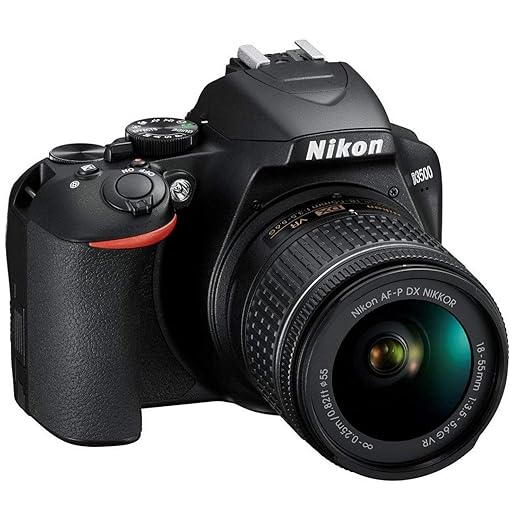
You’ll appreciate a very capable, compact DSLR that’s easy to carry and produces sharp stills with excellent battery endurance. It’s especially suited to travel and learning photographers, though you may find the video capabilities and fixed screen constraining if you do a lot of vlogging.
Canon 2000D Kit
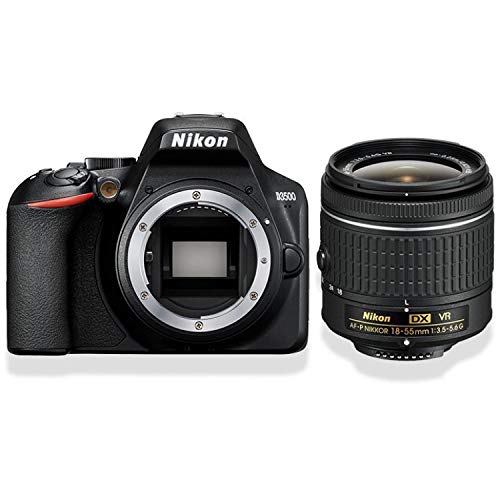
Nikon D3500 Kit
Canon 2000D Kit
Nikon D3500 Kit
Canon 2000D Kit
Nikon D3500 Kit
Specs at a glance: the measurable differences
Sensor and resolution
Both kits use an APS‑C sensor at ~24 megapixels — Canon EOS 2000D: 24.1 MP; Nikon D3500: 24.2 MP. Nikon publishes a wider sensitivity range (ISO 100–25,600), which gives you more headroom in very dim scenes.


Autofocus, continuous shooting and video
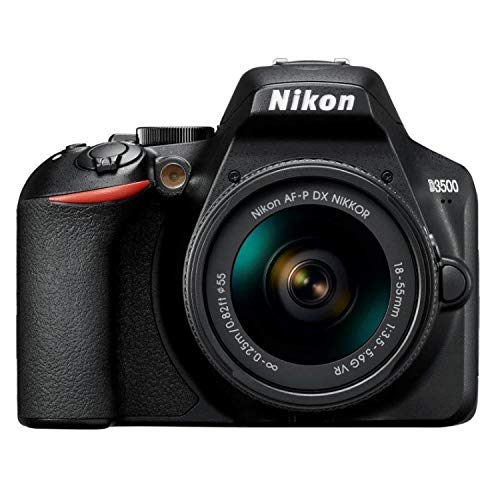
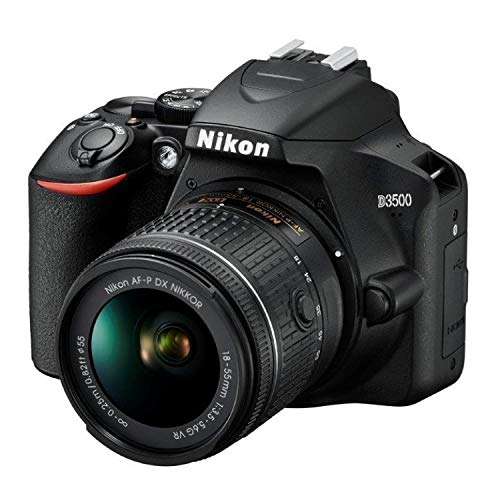
Weight, dimensions and kit-lens features
Connectivity and battery (CIPA)
Which specs favor what
Suggested side‑by‑side table you can recreate:| Spec | Canon EOS 2000D + 18‑55 III | Nikon D3500 + 18‑55 VR ||—|—:|—:|| Sensor | 24.1 MP APS‑C | 24.2 MP APS‑C || AF points | 9 | 49 || Burst | 3 fps | 5 fps || Video | Full HD | Full HD up to 60p || Lens stabilization | No | Yes (VR) || Connectivity | Wi‑Fi, NFC | Bluetooth, Wi‑Fi || CIPA battery | ~500 shots | ~1,500+ shots
Feature Comparison Chart
Handling and ease of use: how each camera feels in your hands
Ergonomics and button layout
Canon EOS 2000D: the body is compact and light, with a shallow-but-comfortable grip that suits smaller hands. The top-plate and rear controls are straightforward and labeled for beginners, so you can change exposure, drive mode and AF without digging into menus.


Nikon D3500: even lighter and a bit more sculpted — the grip feels deeper and more secure when you’re holding the camera for long stretches. Nikon keeps physical controls minimal (fewer rear buttons), which makes the D3500 less intimidating but slightly slower if you want to change advanced settings quickly.
Viewfinder vs live view experience
Both have optical viewfinders, so you get a bright, lag-free view for composing. In live view, expect slower autofocus compared with mirrorless cameras; both use contrast-based AF in live view, so hunting can occur. Neither camera offers a touchscreen, so you’ll rely on buttons and dials for focus point selection and menus.
Menu systems and guided modes
Canon’s Photo Companion app and Creative Auto/guided live‑view modes walk you through common shots and effects, which is great when you’re learning. Nikon’s Guide Mode (and simple on‑camera prompts) is very effective — concise, step‑by‑step help that keeps you shooting instead of studying a manual.
Rear screen, kit lens impact and practical notes
The Canon’s rear screen tilts, which helps low/high-angle shooting; the D3500’s screen is fixed. Neither is touch‑sensitive. The Nikon kit lens includes VR (Vibration Reduction), which noticeably steadies handheld shots at slow shutter speeds — a real advantage for low‑light or longer focal lengths. The Canon kit lens lacks IS, so you’ll need faster shutter speeds or higher ISO.
Battery life and how it affects sessions
Expect very different outings: Canon ≈ 500 shots — bring a spare battery for day trips. Nikon ≈ 1,500+ shots — you can shoot all day without worrying about charging. That battery gap alone can change how you plan shoots and travel.
Image quality and performance in real shooting situations
JPEG and RAW characteristics, color rendering
You’ll get similarly detailed 24MP files from both cameras, but their out-of-camera JPEGs differ. Canon 2000D JPEGs favor warmer, skin‑friendly tones and slightly stronger in‑camera sharpening — convenient for quick portraits. Its RAW files give room to recover highlights but its older processor limits aggressive noise reduction.
The Nikon D3500 produces more neutral, contrasty JPEGs that preserve fine detail and are easier to grade. Its RAW files typically hold a touch more dynamic range and cleaner high‑ISO behaviour, so you can push exposure or shadows further.
Dynamic range and noise at higher ISOs
You’ll notice:
Autofocus reliability and continuous shooting
Canon’s 9‑point AF is reliable for static subjects but less confident on action. Its 3 fps continuous rate limits capture of fast sequences.
Nikon’s AF (and faster 5 fps burst) is more responsive and better at tracking casual action — sports or kids running — giving you higher keeper rates.
Video for vlogging and family clips
Both record Full HD video. Nikon offers up to 60p for smoother motion; Canon is typically limited to 30p. Neither has an external mic input, and live‑view AF is slower than modern mirrorless — handheld talking‑head vlogs are fine, but don’t expect pro audio or advanced movie controls.
Typical shooting scenarios — which fits your priorities?
Price, kit lens, ecosystem and what to buy next
Price and overall value
The Nikon kit is noticeably cheaper (~360 GBP) than the Canon 2000D bundle (~480 GBP). That price gap gives you better battery life, faster burst shooting and image stabilization in the Nikon kit — so Nikon often represents stronger value for beginners.
Kit lens usability
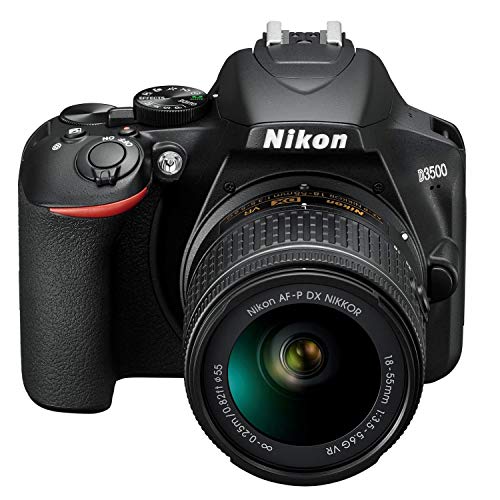
The Canon EF‑S 18‑55mm III is a useful starter zoom but it lacks optical stabilization, so you’ll need higher ISOs or faster shutter speeds in low light. The Nikon AF‑P DX 18‑55mm includes VR (Vibration Reduction), helping handheld low‑light and slower‑shutter shots — a real practical advantage for beginners.
Lens ecosystem and upgrade path
Both mounts give you lots of affordable lenses (primes, zooms and used options). Key differences to check:
Accessories to prioritise
Buy these first to get shooting quickly:
New vs used and warranty
Buy new for full manufacturer warranty and easier returns. If used, inspect shutter count, sensor dust and return policy; reputable shops or Amazon Renewed give extra protection.
Buyer profiles
Final verdict — which DSLR should you pick?
You should pick the Nikon D3500 kit as the clear winner for most beginners. It delivers outstanding battery life, a stabilised AF‑P 18–55mm VR lens, and overall stronger beginner performance, making it easier to shoot more and learn faster. Pick the Canon 2000D kit only if you specifically prefer Canon colour rendering, wider entry‑level lens deals, or better compatibility with Canon accessories.
Quick guidance: choose the Nikon D3500 for long shooting sessions, image stabilization and simpler beginner results; choose the Canon 2000D if Canon colour science and ecosystem compatibility matter more to you.