
Which tiny wrist computer will shave seconds off my PR—or just judge my sweat?
I blamed my shoes—until my watch started talking back. One beep, one stat, and suddenly I could see where I lost time. Running stopped being guesswork and started feeling like a project.
Top Picks
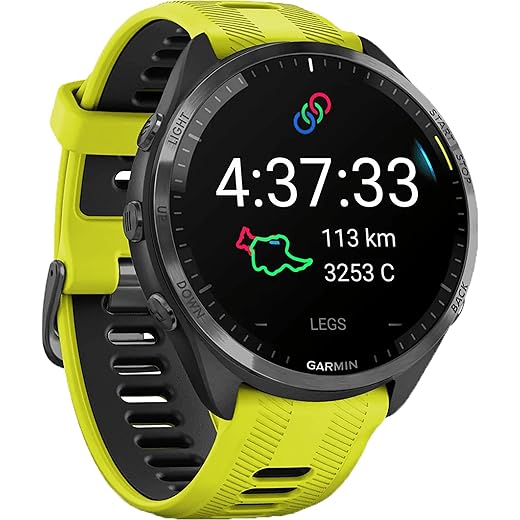


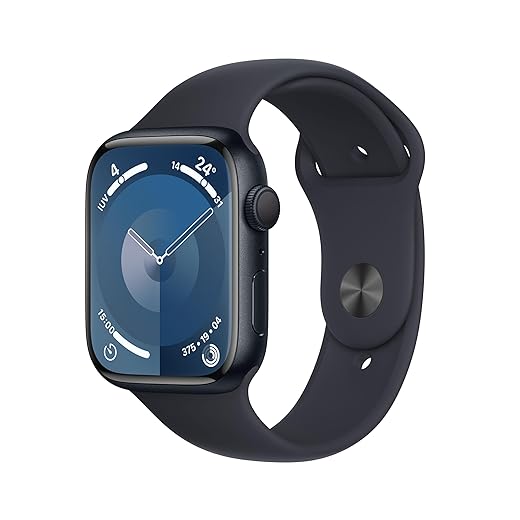


Garmin Forerunner 965 AMOLED Running Watch
A runner-first smartwatch that combines a bright AMOLED display with advanced training metrics, built-in maps and excellent GPS accuracy. Lightweight yet feature-packed, it’s ideal for racers and serious training cycles.
What makes the Forerunner 965 stand out for runners
I choose the 965 when I want race-ready metrics with a clear, colorful display. It feels like a bridge between Garmin’s rugged multisport models and a sleek, responsive touchscreen experience — perfect for tempo runs, long thresholds and race day pacing.
Key features I relied on during training
These allow me to plan workouts, follow navigation on the fly and monitor fatigue accurately throughout a training cycle.
Notes on day-to-day use
Battery life is excellent for an AMOLED watch — I rarely worry about mid-week charging. If you care deeply about map aesthetics, you might miss certain phone map conveniences, but for pure running and training insight this watch is a top-tier choice.
Garmin fēnix 7X Pro Solar 51mm
Exceptional battery life with solar charging and robust navigation features make this ideal for long trail runs and expeditions. Its training metrics are deep, and the built-in flashlight is a surprisingly useful practical feature for night runs.
Why I recommend the fēnix 7X Pro Solar for long runs
I pick the fēnix 7X when I’m heading out for ultramarathons, multi-day hikes or technical routes where battery and navigation are mission-critical. The solar lens meaningfully extends between-charge intervals when I’m outside a lot.
Core strengths that helped me on long outings
These tools let me explore confidently without worrying about losing my route or power halfway through a long day.
Practical considerations from experience
The 51mm size and weight are trade-offs for battery and feature set — I notice it on overnight trips but value the benefits. The display excels outdoors but isn’t as punchy indoors as AMOLED screens. Plan to spend a little time with the menus; once configured, the watch becomes a very powerful companion for endurance athletes.
Apple Watch Ultra 2 GPS + Cellular
Designed for rugged use, it pairs long runtimes, a big readable screen and multi-band GPS for tricky routes. If you want an all-in-one device for trail runs, navigation and seamless safety/cellular features, it’s one of the strongest options.
Who this watch suits
I reach for the Ultra 2 when I’m planning long trail runs, overnight adventures or multi-day hikes. Its durability, extended battery and on-device navigation reduce friction when I’m far from support and need dependable tracking and safety features.
Standout features I used and why they matter
These translate into confidence on long outings: I can follow routes, check back on performance and rely on the watch’s location features if I need help.
Practical notes from my experience
The Ultra 2 is noticeably bigger than standard smartwatches, which is great for visibility but can be cumbersome under tight sleeves. As a renewed purchase, inspect the strap and charger — replacements are easy to source but worth checking. If you prioritize toughness, navigation and standalone cellular options for solo runs, this device does that job very well.
Apple Watch Series 9 45mm GPS
A great balance of accurate fitness tracking, polished software and a bright large display that keeps pace with everyday runs and workouts. The renewed pricing makes it an attractive choice for runners who want Apple’s ecosystem without the full new price tag.
Why I picked this for the roundup
I like the Series 9 because it gives me the full Apple watch experience — smooth watchOS, clear notifications and trustworthy fitness metrics — at a much lower cost when bought renewed. For everyday running and interval sessions it delivers the core data I need without a steep learning curve.
Key features and what they mean for runners
Those features translate to quick setup for runs, easy on-wrist coaching and seamless sync to iPhone apps for post-run analysis.
Benefits in everyday use
I appreciate how fast the interface is — I can start a run, check splits and review metrics in the Health or third-party apps moments after finishing. The watch is versatile: it’s as happy on the road as it is during strength sessions or sleep tracking.
Practical limitations and tips
The battery won’t match long-duration Garmins or multisport devices; expect roughly a day-plus depending on usage. Because this is a renewed model, check battery health and accessories on arrival and be ready to replace the band if needed. If you’re tied into the Apple ecosystem and want a friendly, capable running watch at a bargain, this is a solid pick.
Garmin Forerunner 255 46mm GPS Watch
A balanced, reliable running watch that handles daily training plans, adaptive workouts and long battery life. It’s a great pick if you want meaningful performance data without the higher cost of top-tier models.
Why the Forerunner 255 is a favorite for everyday runners
I reach for the 255 when I want robust run metrics and a watch that won’t distract me with extra bells and whistles. It’s comfortable for daily wear and gives me automated training suggestions that react to how I actually perform.
Practical features I appreciate during training
These make it simple to follow a plan without becoming a data overload; the watch nudges me toward sensible sessions based on recovery and load.
Real-world limitations and advice
It’s not as flashy as AMOLED-equipped models, and the screen can feel utilitarian, but that simplicity is also a benefit for focused training. If you want advanced mapping or an AMOLED display, consider stepping up, but for most runners the 255 hits the sweet spot of features, battery life and price.
Fitbit Sense 2 Health-Focused GPS Watch
Focused on stress, sleep and heart health metrics rather than a full smartwatch experience, this watch offers class-leading wellness sensors with long battery life. It’s ideal if your priority is health insight more than app-driven smartwatch features.
Why I chose the Sense 2 for health-focused runners
I reach for the Sense 2 on weeks when I’m especially focused on recovery and stress management. It provides a richer set of physiological signals than most mainstream smartwatches, which helps me spot patterns (sleep, stress, readiness) that affect my running performance.
Health and fitness features that stood out to me
These features help me adjust training load proactively instead of reacting to fatigue.
What to watch for and practical tips
If you want an app-rich smartwatch with full music control or advanced navigation, the Sense 2 isn’t the best fit. Also, some of the most useful analytics live behind a Fitbit Premium subscription — try the included trial to decide if it’s worth continuing. For focused health monitoring and solid everyday fitness tracking, though, it’s a compelling option.
Samsung Galaxy Watch6 40mm GPS
A strong Wear OS watch that brings an attractive AMOLED display, reliable GPS and good day-to-day tracking at a competitive price. It’s particularly appealing if you want a smartwatch that integrates tightly with Android phones.
How I use the Galaxy Watch6 for running
When I want a capable smartwatch that doubles as a stylish daily driver, the Galaxy Watch6 is my go-to for Android. It gives me responsive touch controls, clear workout screens and enough GPS accuracy for most runs and gym sessions.
Features I value for training and everyday life
In practice I find the watch’s sensor suite reliable for pacing and cadence on short-to-medium runs, and the UI is straightforward for quick lap checks.
Limitations and practical advice
Battery life won’t match dedicated sport watches — I typically top up nightly if I use GPS often. If you buy renewed, inspect the unit carefully and confirm battery health. For those who want in-depth running metrics or very long GPS sessions, a dedicated GPS watch may be a better fit.
Fitbit Versa 4 Fitness Smartwatch GPS
A comfortable, lightweight smartwatch focused on everyday fitness, sleep and simple GPS runs. It’s especially appealing if you want long battery life and a friendly interface at a lower price point.
Who should consider the Versa 4
I recommend the Versa 4 for runners who want reliable day-to-day tracking, good sleep insights and several days of battery without spending on a premium multisport watch. It’s approachable and low friction for people upgrading from basic wrist trackers.
Useful features for casual running and fitness
These add up to easy-to-follow feedback that helps me be consistent without getting lost in metrics.
Limitations and tips for buyers
You won’t get the depth of training analysis or the app flexibility of higher-end devices. If you’re training for a marathon or want advanced running dynamics, look elsewhere. For general fitness, commuting runs and sleep tracking, the Versa 4 is a sensible, affordable tool.
Final Thoughts
I recommend the Garmin Forerunner 965 AMOLED Running Watch as my top pick for most serious runners. It gives the clearest training metrics, an excellent AMOLED display for quick glances, built-in maps, and rock‑solid GPS accuracy—perfect if you race on roads, follow structured training plans, and want a lightweight watch that doesn’t hold you back.
If your runs go farther, wilder, or darker, pick the Garmin fēnix 7X Pro Solar 51mm. Its exceptional battery life, solar charging, and advanced navigation make it ideal for ultrarunners, long trail adventures, and multi-day expeditions. The built‑in flashlight and rugged build mean I won’t worry about a late finish on a single battery cycle.

Question for the community: how does the Samsung Galaxy Watch 6 stack up for GPS accuracy inside city streets with lots of highrises compared to the Garmin Forerunner line?
I’m on Android so Galaxy + Wear OS integration is tempting, but I ride my bike and run downtown a lot — need dependable route tracking.
Anyone done side-by-side tests?
Did side-by-side 10 km ride last month: Galaxy paths were close but had a few shortcuts across underpasses that Garmin didn’t. If mapping for training is critical, I’d pick Garmin.
Galaxy Watch 6 is a strong Wear OS option and does well in many urban scenarios, but Garmins (Forerunner 255/965) typically pull ahead on consistent GPS accuracy and lock time, especially in tricky environments. If seamless Android integration is top priority, Galaxy is great. For pure tracking reliability, Garmin wins.
Lol Apple Watch Ultra 2 — shiny, pricey, and it probably tells you how to tie your shoes too. 🤑
All jokes aside, I’m curious if the Ultra’s multi-band GPS really handles urban canyons better than Garmin. I live in a city with lots of tall glass buildings and my last watch kept bouncing my pace all over the place.
Anyone switched from Garmin to Apple for urban runs and regretted it (or loved it)?
I stuck with Garmin because I like the deeper training metrics. But if you want a slick UI + good urban GPS, Ultra 2 is tempting. Your wallet will cry less with a renewed model though 😅
Tip: many sellers have renewed Ultra 2 listings (included in the roundup) — good way to get multi-band benefits without full price hit.
Switched from a Garmin to an Ultra last year — city GPS improved for me, and LTE is handy. But Garmin’s battery/power modes are hard to beat for long adventures.
Ha, it might not teach laces but it does keep you safer on tough routes. Multi-band GPS on the Ultra 2 generally helps in urban canyons — Apple has made big strides. That said, some Garmins with multi-band also perform excellently; it’s case-by-case. If you rely heavily on route accuracy for intervals, I’d test both on a known 1k loop before buying.
Has anyone compared the fēnix 7X Pro Solar battery in real trail conditions vs the Apple Watch Ultra 2? I’m planning multi-day runs and the solar thing sounds tempting, but I’m not sure how much extra runtime that actually gives.
Also, does the fēnix flashlight really make a difference on night runs or is it more of a gimmick?
Solar charging on the fēnix helps extend days if you’re out in strong sunlight, but don’t expect it to replace a battery pack — it’s more of a slow top-up. The flashlight is surprisingly useful for short-term visibility (trail markers, path edges), but won’t replace a headlamp for technical night routes.
I did a 3-day hut-to-hut run with the 7X and it did stretch the battery a bit when I had long sunny breaks. Ultra 2 is great for GPS stability and safety features, though — depends if you need the Apple ecosystem perks.
Nice list — the Forerunner 255 keeps popping up as the best mid-range pick and I can vouch for that value.
Also the Versa 4 being affordable but able to handle daily runs makes it a solid second watch for casual users.
Agreed — 255 has everything I need for training without the heft of the top-tier models. And the battery lasts longer than I expected.
One small caveat: strap comfort matters! I swapped mine for a softer band and it helped during long runs.
Glad to hear the 255 worked well for you, Liam. It’s a great balance of features without going overboard on price.
Really enjoyed the health-angle on the Fitbit Sense 2. I’m not a hardcore runner but I train 4-5x a week and my priority is sleep + stress tracking.
A couple questions:
1) How reliable is the GPS on the Sense 2 for shorter tempo runs? I don’t need pro accuracy, just something consistent.
2) Any major differences between the Sense 2 and Versa 4 for everyday use (battery, app support)?
Thanks! 🙂
One tip: enable ‘always-on GPS during workouts’ if you want better consistency, but that will reduce the battery window.
If you value guided breathing and stress insights, Sense 2 wins. If you want the simplest, lightest fitness watch for step counts & runs, Versa 4 is comfy and straightforward.
Sense 2 GPS is decent for tempo runs and casual route logging, but if you need very precise pace splits during intervals, it’s not as tight as the Garmin/Apple options. Compared to Versa 4, Sense 2 puts more emphasis on health sensors (EDA, stress) — battery life is similar, app ecosystem a bit more limited than Apple’s, of course.
Minor nit: Fitbit sometimes overestimates sleep stages. Still useful for trends, but don’t treat it like a sleep clinic report.
I have a Sense 2 and it’s great for sleep analytics. GPS for 5-6 km runs was fine, only noticed drift when running through dense tree cover. If your runs are mostly urban it’s solid.
Great roundup — thanks for putting this together!
I’ve been torn between the GARMIN Forerunner 965 and the Forerunner 255 for awhile.
The 965’s AMOLED and maps look amazing for race day, but I love that the 255 is way lighter and more affordable.
If anyone has hands-on experience with the 965’s maps while running (zooming, rerouting, etc.), does it feel clunky or smooth?
Also curious how the battery in real-world GPS mode compares — the specs look good but numbers can be optimistic.
I used the 965 for a marathon last year. Maps were lifesavers on a route I wasn’t familiar with. Touch responsiveness is good, just don’t poke too much while mid-stride 😂
Thanks Emily — glad you found the list useful! The Forerunner 965’s maps are pretty responsive; touchscreen + buttons helps when you’re moving. In my tests zooming was smooth but rerouting can take a few seconds depending on signal. For pure GPS battery, expect significantly longer life on the 255 if you disable the AMOLED and maps features.
I switched from a 255 to the 965 for the display — huge difference for night/early runs. Battery still good, but I carry a small charger for long weekends.