
I pit the Evolution R185CCSX against the Makita 5007Mg to see which delivers pro-level cuts, better value, and fewer trips to the blade box — spoiler: the underdog might win.
Surprise: I compare two circular saws sold on Amazon: Evolution’s multi-material R185CCSX and Makita’s magnesium-bodied 5007MG. I aim to help you choose the right saw for real-world needs by testing design, cuts, features, and value and safety, ergonomics, and price.
Multi-Material Performer
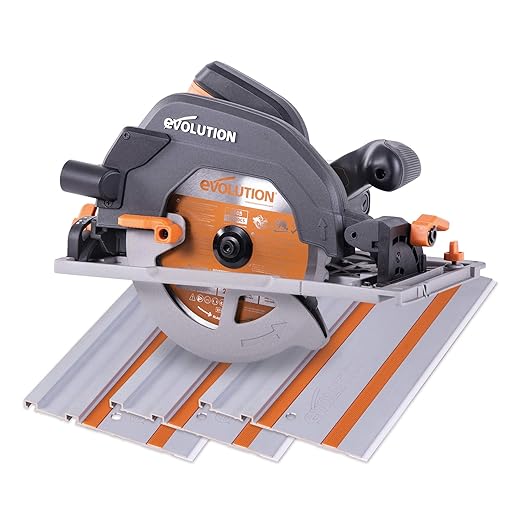
I appreciate the package as a versatile, cost-effective saw that handles wood, metal and plastics without frequent blade changes. The included track raises its accuracy for DIY and light trade tasks, though the track’s tearout edge and overall weight are minor downsides.
Pro Framing

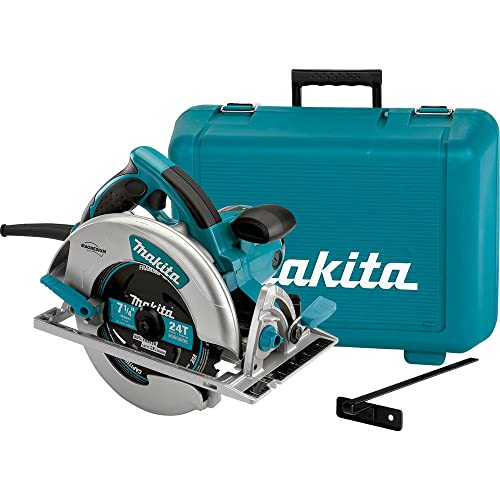
I find this to be a professional-grade circular saw that balances power, durability and precision very well. It suits frequent, demanding carpentry and framing work, though its cost and warranty terms reflect a pro-focused positioning.
Evolution R185CCSX
Makita 5007MG
Evolution R185CCSX
Makita 5007MG
Evolution R185CCSX
Makita 5007MG
Design, Build Quality, and Ergonomics
Evolution R185CCSX — construction and feel
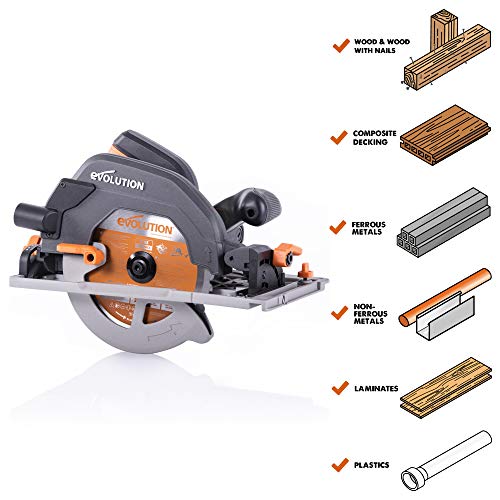
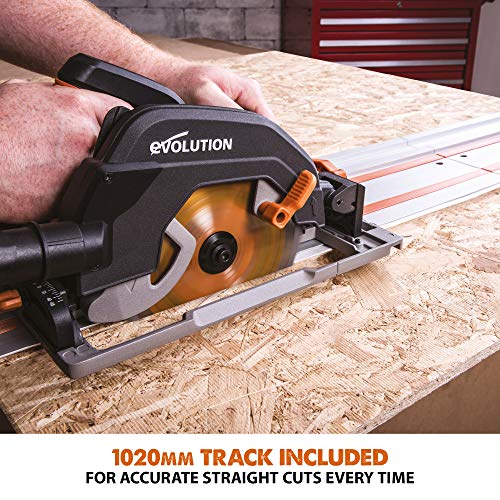
The R185CCSX feels purpose-built for multi-material work. Its housing and gearbox are robust plastic and metal assemblies designed around a 1600 W motor and an integrated 1,020 mm track system. At about 5.1 kg, it’s noticeably heavier than many standard circular saws; the extra mass comes from the motor, TCT blade assembly and the track-fit hardware. The handle is plastic-moulded and functional, but not as soft or grippy as premium saws, which matters during long ripping runs.
Makita 5007MG — construction and feel
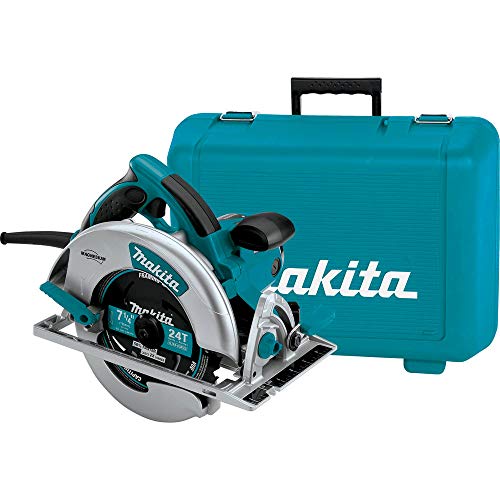
Makita uses magnesium for major components, which keeps the 5007MG compact and well balanced while still feeling very durable. At roughly 4.8 kg (10.6 lb) and with a slim profile, it’s easier to shoulder for repetitive cuts. The rubberised grip and refined balance reduce vibration and wrist fatigue. Makita’s large base and finely engineered bevel/height adjustments make it feel more precise in hand than bulkier alternatives.
Practical impact on fatigue, durability and jobsite handling
Performance and Cutting Capability
Evolution R185CCSX — power, blade and cut depth
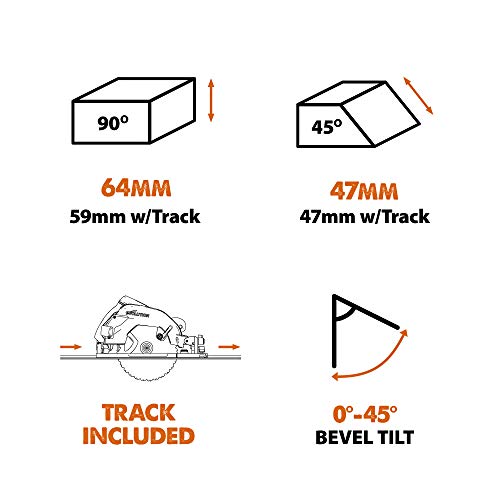
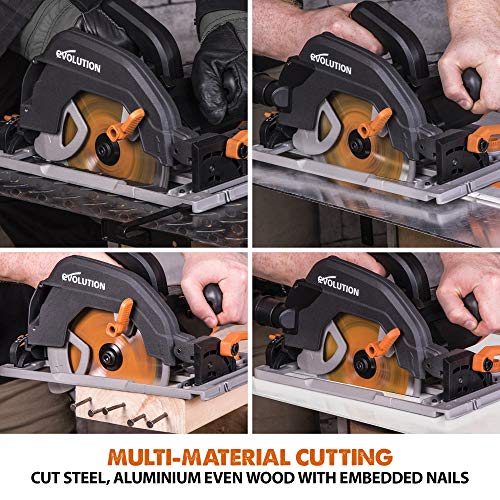
I see the R185CCSX as a torque-first machine: a 1600 W motor driving an 185 mm (7-1/4″) tungsten-carbide-tipped (TCT) blade designed to stay cool and produce minimal burrs when cutting mild steel. The saw offers an adjustable depth of cut up to 64 mm and a 0°–45° bevel. Its strength is steady, low-heat cutting rather than ultra-high RPM finish speed.
Makita 5007MG — power, blade and speed
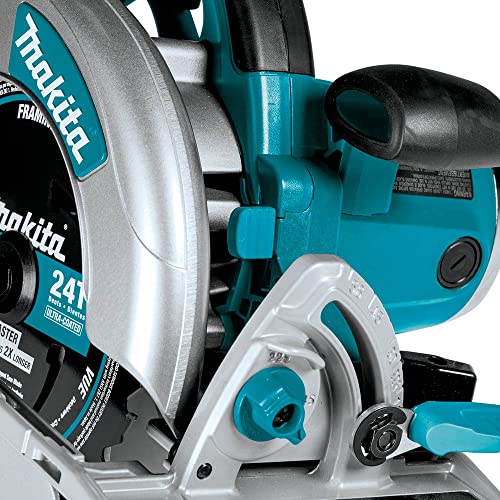
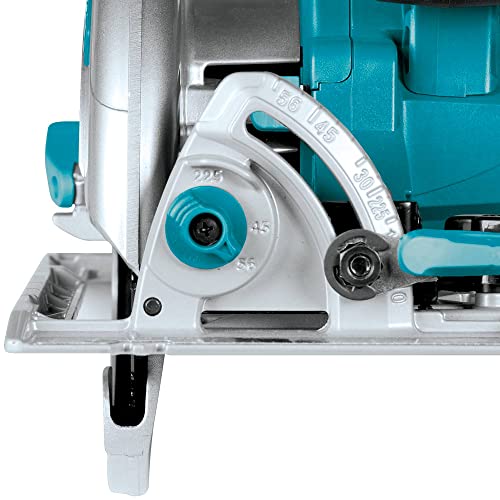
The Makita runs on a 15 A (about 1800 W) motor and spins a 7-1/4″ blade at 5,800 RPM. That combination yields fast, aggressive feeds and cleaner finishes in wood and engineered lumber. Makita quotes a 63.5 mm (2-1/2″) max depth at 90° and bevel capability to 56° with positive stops, which makes it very capable for framing and deep rips.
Accuracy, finish and multi-material capability
I judge the Evolution for multi-material, track-accurate cutting and the Makita for raw speed, finish quality and heavy-duty woodwork.
Feature Comparison Chart
Features, Accessories, and Usability
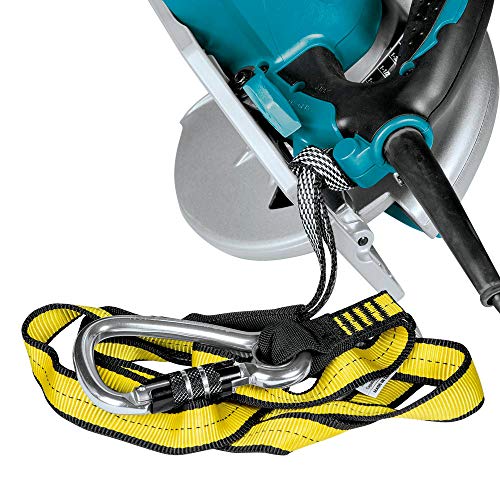
Included accessories
I check what comes in the box because it defines out‑of‑box usability.
Bevel and depth adjustments
I look for clear, usable adjustments that don’t slow workflow.
Safety features and usability aids
I prioritise features that keep cuts visible and reduce cleanup.
Ease of maintenance and practical fit
I consider daily service, weight and how accessories affect where I use the saw.
I find the Evolution bundles more useful for precise, multi‑material track work; the Makita bundles support rapid, professional wood cutting on site.
Price, Value, Safety, and Recommended Use Cases
Price versus features and long‑term value
I compare sticker price to what you actually get. The Evolution R185CCSX (~£110) delivers outstanding value: 1600 W motor, multi‑material TCT blade, and a 1,020 mm track included — plus a 3‑year warranty that improves long‑term ownership cost. The Makita 5007MG (~£333) is three times the price but offers a higher‑RPM motor (15 A / ~1800 W), premium ultra‑coated blade, magnesium components and a reputation for serviceability. If you prioritise multi‑material flexibility and warranty peace of mind, Evolution wins value. If raw speed, jobsite durability and factory‑fit premium blade/fence matter, Makita justifies the premium.
Safety systems and serviceability
Both saws include features that reduce risk and improve accuracy: blade guards, dust‑clearing blowers, and clear bevel/depth stops. Evolution explicitly lists a brake and gives a dust port adapter for extraction. Makita adds LEDs for line visibility and robust adjustment hardware. Warranties differ materially: Evolution 3 years versus Makita 1 year — factor that into expected service costs. Makita’s broad dealer network typically simplifies repairs and parts sourcing.
Recommended users and portability
I recommend like this:
My Final Verdict
I prefer the Evolution R185CCSX for hobbyists and workshop users who need multi-material versatility and guided, precision track cuts — its included 1020 mm track and multi-material blade make it the clear choice for accurate, diverse cutting tasks. Trade-offs: heavier and less suited to prolonged site work. I value the track system and multi-material cutting.
For pros prioritizing weight, raw power, and long-term durability on job sites, the Makita 5007MG wins — lighter magnesium construction and proven professional reliability. Choose Evolution for versatility and track work; choose Makita for day-long professional use. Which performance priority guides your next purchase?

I felt the review didn’t talk much about warranty and service. Makita usually has solid support in my area; Evolution’s service is hit-or-miss depending where you live. Would be good to mention for buyers outside big cities.
Good catch — we should’ve expanded the warranty/service section. We’ll add region-specific notes in an update. Thanks!
Agreed. For my business I stick to brands with local service centers even if it costs a bit more upfront.
Yes! Bought a lesser-known brand once and returns were a nightmare. Support matters more than you think.
Short and sweet: Makita = classic, light, smooth. Evolution = versatile, can do metal, less polished. If you just build decks and sheds, go Makita. If you tinker with mixed materials, Evolution is legit.
Agree — Makita’s blade change and ergonomics beat most corded saws I’ve used. But that Evolution multi-blade idea is tempting for one-tool setups.
Couldn’t have summarized it better, Mark. That’s basically the takeaway we were aiming for.
I’ve got a weird question: can the Evolution’s track be used with the Makita? I know tracks are usually brand-specific but curious if anyone tried adapters or mods.
Also lol at people underestimating how much faster a good track makes repeat cuts. Once you try one you can’t go back.
That’s a sensible approach — use each tool for its strengths.
I’ve tried a universal adapter for a different brand once — it worked but the alignment was off. Ended up returning it. Not worth risking a bad cut or kickback imho.
Good advice, thanks. Guess I’ll stick to the Evolution on the track and keep the Makita for quick jobs.
You can sometimes find third-party track shoes but read reviews. If you’re doing that much track work, might be worth buying the saw that matches the track.
Tracks are usually sized to the shoe and base of the saw; some people mod or use universal mounting plates but it’s not recommended unless you know what you’re doing. Safety first — avoid jury-rigging unless supported by the manufacturer.
Lol, I read the title and thought ‘this will devolve into brand fanboys’ — pleasantly surprised, actual helpful points here. Quick poll: which one would you recommend for someone doing weekend DIY and zero metal work? I want simple, light, reliable.
For weekend DIY and zero metal: Makita. Easier to handle and more precise for typical wood tasks.
Makita if portability and comfort matter most.
Thanks — leaning Makita then. 🙂
If you ever pick up small metal jobs later, Evolution could still be tempting, but Makita is safer for wood-only DIY.
Makita hands down for what you described.
Funny thing: I bought the Evolution because of the cool multi-material demo vids and ended up using it mostly for clean plywood cuts with the track. It does everything but I admit I haven’t pushed it on thick steel.
Also, the clamp system on the track could be more intuitive — wasted a few minutes the first time setting it up. 😅
Setup learning curve is a legit downside. We tried to cover that in the ‘ease of use’ section of the review.
Pro tip: mark a reference on the track once you get it dialed, makes repeat setups faster.
Good tip — I’ll try that next time.
Haha same, Robert. First time I fumbled with the clamp too. After a few jobs it’s muscle memory though.
One last thing — price fluctuations matter. Promo deals sometimes make the Evolution bundle (with track) better value than buying a separate track and Makita. Keep an eye on sales and bundles. 😉
Great tip, Emily. We’ll add a shopping advice blurb to the article to warn readers to watch bundle deals.
I own the Makita 5007Mg and it’s a tank for framing. Magnesium body saves weight and feels premium. Cuts are clean and it starts reliably every time.
Only gripe: not great for non-wood materials without swapping blades frequently. But for pros, blade swap is nothing.
Claire — still smooth after a year of daily use. No wobble or looseness yet, I oil it occasionally.
Totally — magnesium makes a difference over long days. How’s the bevel mechanism holding up after heavy use?
Thanks David — that kind of longevity feedback helps a lot for readers weighing initial price vs long-term value.
I want to add a little nitpick: the Evolution’s blade measurement in the title (185mm) vs Makita’s inches makes shopping confusing for some folks. 185mm is about 7.28″ so they’re pretty similar in size, but marketing often hides that.
Also, one user on here mentioned overheating — changing blades and right RPM for material are key. Don’t assume a blade labeled ‘multimaterial’ is magic.
Great point about the metric/imperial mismatch. We tried to note that in the article but it’s easy to miss.
Ugh, I wish the Makita had a decent dust port without mods. Sawdust everywhere. Evolution’s port actually looks useful from the photos — anyone tested it with a shop vac?
Long post incoming — hope it helps someone deciding between these two:
I run a small renovation biz and had both for a while. For demo and cutting metal studs, the Evolution saved me time because I didn’t have to switch saws. The track plus dust port reduced cleanup time which is a surprising productivity gain.
But for finish carpentry, Makita’s cut quality and ergonomics win. If I had to keep one tool and money wasn’t an issue, I’d keep both. If limited to one: Evolution for versatility, Makita for dedicated woodworking quality.
PS: batteries vs corded? Both here are corded — corded still wins for continuous heavy work imo. ⚡️
This is the kind of detailed comparison I needed. Thanks Miguel — your real-world use case helps a lot.
Agreed on corded — for long job days I still prefer corded unless you have an army of batteries.
Thanks for the real-world breakdown, Miguel. Love the practical perspective on cleanup time — often overlooked.
Anyone tried a non-ferrous metal cut with the Makita? I thought only the Evolution was bragging about metal. Curious about edge finish and blade life on the Makita if someone ran it through brass/aluminum occasionally.
I occasionally cut aluminum with the Makita using a proper non-ferrous blade — edge finish is good but blade dulls faster. Expect to replace blades more often if you do that regularly.
Short answer: you can, but blade choice matters. Makita isn’t marketed as multi-material by default, so expect shorter blade life and check specs for recommended RPM/teeth types.
Nice write-up — I own the Evolution R185 and I’ve used it on plywood, aluminum flashing and some PVC. The track makes crosscuts dead straight and the multi-material blade is surprisingly good.
Pros: cuts metal without changing blades, dust port is handy.
Cons: it’s a bit heavier than my old circular saw and takes some time to set up the track.
For hobbyists who like one tool for everything, it’s a win. For pure carpentry, Makita still feels a bit more refined imo.
Thanks for sharing your hands-on experience, Sarah. Good point about setup time — the track pays off for precision but isn’t as quick as a freehand cut.
Did you notice any overheating when cutting metal? I worry about blade wear when switching materials.
Totally agree about the weight. I swapped to a lighter battery platform but still feel it during long jobs.
Priya — I did a few short aluminum cuts and it got warm but not crazy. I let the blade cool between long stretches and it’s been fine so far.