
They pit compact speed against raw torque—will the nimble GSR18V-400B12 outwork the powerhouse GSR18V-975CN, or might they both secretly halve your project time?
Facing a weekend DIY project or a professional site, they choose tools carefully. This clear, quick guide compares the compact Bosch GSR18V-400B12 kit versus the connected-ready GSR18V-975CN bare tool, highlighting core differences in size, connectivity, power, intended users, and budget.
Compact Precision

It balances a compact form factor with dependable brushless performance, making it an excellent option for tight-space and overhead tasks. The included battery and charger make it convenient for immediate use, though it sacrifices the high torque and advanced safety/connectivity found in larger pro models.
Pro Power

It delivers professional-class power and advanced controls suited to heavy-duty drilling and driving. Connected-ready features and KickBack Control add useful safety and customization, but buyers should account for the additional cost of batteries and the slightly heavier feel.
Bosch 400B12 Drill
Bosch 975CN Drill
Bosch 400B12 Drill
Bosch 975CN Drill
Bosch 400B12 Drill
Bosch 975CN Drill
Design, Ergonomics, and Build Quality
Compact profile and balance (GSR18V-400B12)
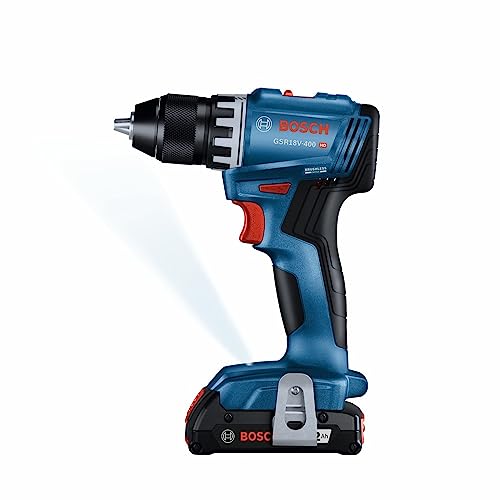
The GSR18V-400B12 is built around a very short 6.3 in. head length and a light 907 g tool weight, so it feels nimble in one hand. The slimpack 2.0 Ah battery keeps the tool low-profile and brings the center of gravity closer to the grip, which improves control in tight spaces and reduces wrist fatigue during overhead work. Its small-diameter ergonomic grip and all‑metal chuck make it comfortable for long runs of driving and durable enough for daily trade use.


Heft, control, and the heavier pro end (GSR18V-975CN)
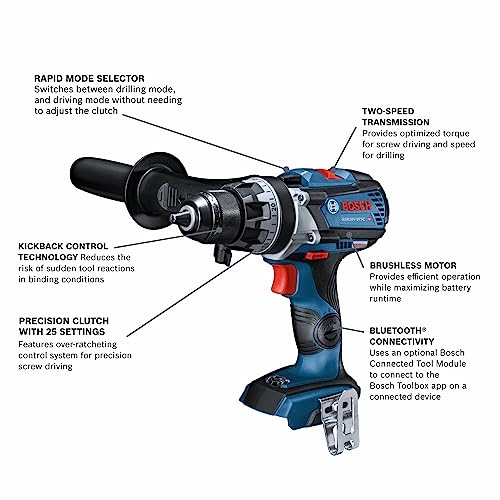
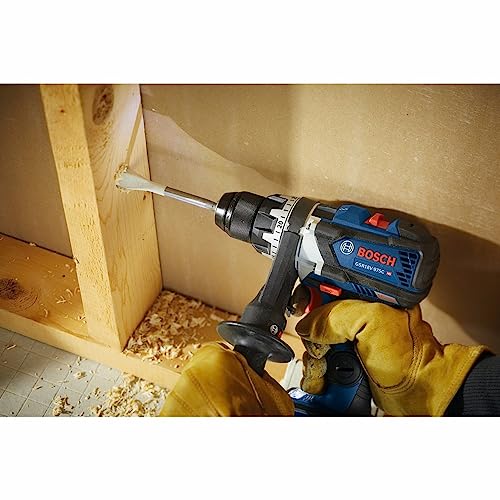
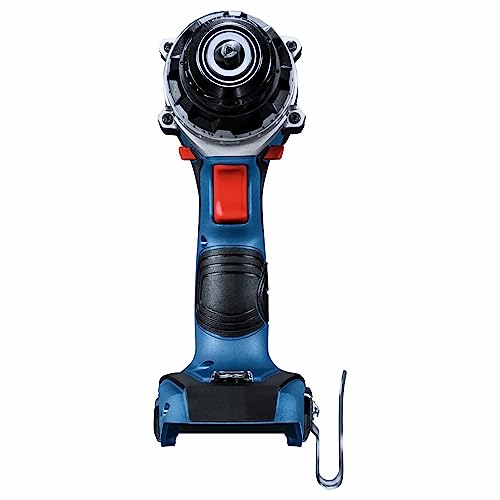
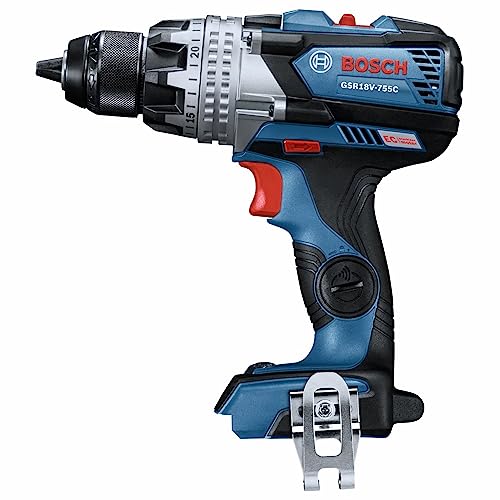
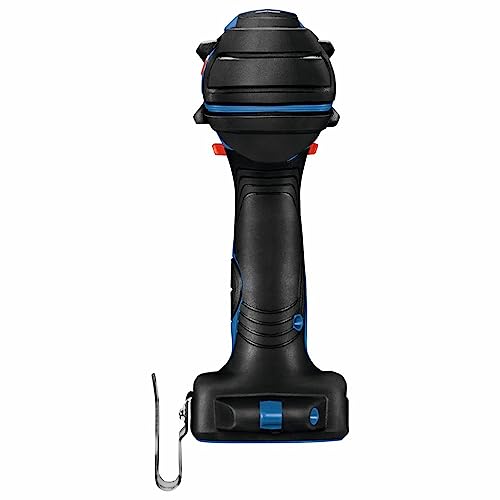
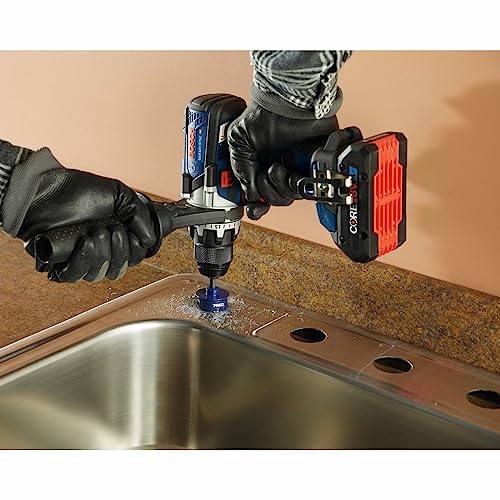
The GSR18V-975CN is heavier (about 1.54 kg / 3.4 lbs tool-only) and feels more planted when driving large fasteners or drilling dense materials. The added mass, two-speed gearing and longer belt clip translate to better push stability and less perceived recoil under load. Its soft-grip overmold and included side-assist handle give extra control for high-torque tasks, though that weight is more noticeable during extended overhead work.
Materials, durability cues, and jobsite implications
Both drills use all-metal chucks and rubberized grip zones—clear signs Bosch aimed for professional durability. The 400B12’s compact housing trades some brute toughness for maneuverability; it’s ideal for finish carpentry, cabinetry, and light trade tasks. The 975CN uses a beefier motor housing and control features (KickBack Control-ready design) suited to heavy mechanical or construction work where tool ruggedness and sustained torque matter.
How the SlimPack battery changes handling
The SlimPack’s low profile makes the 400B12 feel shorter and more balanced than typical 18V packs. That slim battery improves access and reduces blade-to-bit interference in confined spaces, but offers less runtime than larger-capacity packs used on the 975CN.
Performance, Power, and Battery Life
Brushless motor and torque
Both drills use Bosch brushless motors for greater efficiency, cooler operation, and longer life than brushed units. The GSR18V-400B12 delivers up to 400 in‑lbs of torque — a strong output for a compact driver — which suits most finish and trim tasks. The GSR18V-975CN packs a much higher punch at 975 in‑lbs, aimed at heavy fastening and demanding drilling where sustained torque matters.


Speed ranges and real-world capability
The two tools target different jobs through gearing and clutch control. Key numbers at a glance:
In practice, the 400B12 will feel faster and more responsive for repetitive driving and tight-space drilling. The 975CN holds speed under heavy load and resists bogging when boring large holes or driving long lag screws; its KickBack Control improves safety during pinch or bind-up events.
Battery, runtime, and charging
The 400B12 ships as a ready-to-work kit with a 2.0 Ah SlimPack battery and charger. The SlimPack keeps the tool compact and balanced but gives limited runtime under sustained heavy use — excellent for finish carpentry, cabinet work, or an average day of driving, less ideal for long continuous drilling. The 975CN is sold bare, so runtime depends entirely on the battery chosen; pairing it with 4.0–8.0 Ah Bosch packs turns it into a true pro tool for full-shift use. For both tools, having at least one spare battery and a faster Bosch charger (if available) dramatically reduces downtime on busy job sites.
Features, Connectivity, and Accessories
Onboard features and ergonomics
Both drills use a 1/2″ all‑metal chuck for secure bit retention and durability. The GSR18V-400B12 offers 20 clutch settings for fine control during trim and finish work; the GSR18V-975CN steps up to 25 clutch settings plus a two‑speed gearbox and rapid mode selection for quick switching between drilling and driving. The 975CN also includes KickBack Control and a longer belt clip for added jobsite security. Neither spec sheet explicitly calls out an integrated work light, so buyers should confirm the retailer listing if an LED is important to them.
Connected‑ready functionality (GSR18V-975CN)
The 975CN is “connected‑ready”: it accepts Bosch’s connectivity module (sold separately) and pairs with the Bosch Toolbox App. That connection lets a supervisor or tech customize drive and drill settings, receive tool feedback, and pull basic usage/health data. For fleet users this enables centralized configuration, easier troubleshooting, and more accurate maintenance scheduling — useful for rental fleets or busy crews that standardize tool behavior.
Kit contents and accessory compatibility
GSR18V-400B12 (kit) includes:

GSR18V-975CN (bare tool) includes:
Side-by-Side Feature Comparison
Price, Value Proposition, and Ideal Users
Retail price and out‑of‑box value
On Amazon the GSR18V-400B12 kit lists around £180 and includes a 2.0 Ah SlimPack battery and charger — ready to work straight away. The GSR18V-975CN bare tool is about £244; that price is just for the tool, so batteries and a charger are additional costs. For buyers who need a complete, low‑cost starter solution, the 400B12 kit delivers better immediate value.
Long‑term ownership costs
If users already own Bosch 18V batteries, the 975CN is cost‑effective because no additional batteries are required. If not, they should budget roughly an extra £80–£140 (depending on battery capacity) to bring the 975CN to the same ready‑to‑use state as the kit. Higher‑capacity batteries (4–5 Ah) increase runtime but add to upfront cost; replacement batteries are the primary long‑term expense for both models.
Who each tool suits
Trade‑offs at a glance
Final Verdict
For occasional users, home DIYers, and tradespeople who want a ready-to-go, value-packed option, the GSR18V-400B12 kit wins — compact, brushless performance plus a 2.0 Ah Slimpack battery makes it the clear choice.
Professional installers and fleet buyers who already run Bosch 18V batteries and want on-tool connectivity for asset tracking should choose the GSR18V-975CN bare tool. Buying tip: choose the kit for immediate use; choose the connected tool only if they need networked tracking and own batteries.

Honestly, I’m torn. I like the idea of a compact brushless with a battery included, but the Connected-ready model sounds intriguing if it actually helps track tools on the site.
– I do a lot of quick subcontractor jobs
– I hate carrying extra weight
– I also lose stuff a lot lol
If the 975CN can help find a missing drill, that might win me over, but is the tracking reliable? Anyone tried it?
(also, the techie in me wants connected tools just because it’s cool 😂)
I own the GSR18V-400B12 kit and it’s been solid for light framing and cabinet work. The 2.0 Ah Slimpack is surprisingly comfortable in the grip and the brushless motor keeps it running cool. If you don’t have Bosch batteries yet, the kit makes sense.
If you already have a battery collection, the GSR18V-975CN bare tool might be worth it — especially if you want the Connected feature. But for most DIYers, I’d pick the kit for the convenience.
Maya: For drywall screws and normal drilling I get through an afternoon of light work. If you’re drilling a lot of metal, it drains quicker, obviously.
Thanks for sharing real-world use, Ethan. Good point about the Slimpack—it’s a small battery but less bulky on tight jobs.
Totally agree — the slim battery saved me so many awkward angles. How’s the runtime for you on continuous drilling?
Quick question: does the 400B12 kit come with any extras like a charger case or belt clip? I’m thinking of getting something lightweight for travel and want to avoid bulky boxes.
Also — is the Slimpack battery removable like a regular pack or is it kind of oddly shaped? Cheers!
The kit typically includes the drill, one Slimpack 2.0 Ah battery, charger, and a soft case. The Slimpack is removable like other Bosch packs, just narrower — fits in standard 18V slots but feels slimmer on the tool.
Yep, mine had a standard charger and a soft carry case. The slim battery clicks in/out like normal.
If you’re a pro who swaps batteries between tools all day, get the bare tool and use your existing Bosch battery bank. If you’re starting out, the kit’s a better deal.
No replies needed, just wanted to drop that practical advice.
I’m mostly a weekend warrior and the slim design of the 400B12 appeals. Less wrist fatigue during repetitive screw driving. Anyone noticed a big difference compared to regular pack drills?
Slimpack reduces bulk on the handle, so many users report less fatigue. Not a night-and-day power change, just ergonomics.
I have both a kit and a few bare tools in my garage. Here are my quick impressions:
– 400B12 kit: great value, plug-and-play for weekend projects, Slimpack feels modern and neat.
– 975CN bare: heavier on the wallet if you need batteries, but cool if you want integrated tool management.
Also, if you’re allergic to carrying manuals, the app can sometimes replace that by showing settings and specs. 🙂
App as virtual manual—nice observation. Helps with quick lookups on torque settings and maintenance.
Jenna: Not a huge difference for single lag screws; both handled them fine with the right bit. The battery level matters more than the model for heavy tasks.
Maya: Did you notice any difference in speed or power between the two when driving lag screws?
I’ve used a few Bosch 18V drivers at work. Quick notes:
1) 400B12 kit = good starter package, battery included and balanced feel.
2) 975CN = nice for pros who want to add it to an ecosystem (especially if you use Jobsite Connect or similar).
3) Torque-wise they’re both in the same ballpark for general carpenter tasks.
Downside: the connected features sometimes require the app and a newer phone (annoying), and I found the 975CN being bare-tool pricier in the long run if you don’t have batteries.
Would recommend the kit for casual users, bare if you already have batteries or want the connected features.
App/firmware updates are a recurring theme. Worth checking if the retailer allows firmware updates on demo units.
I tried pairing a few months ago and had to update firmware first. Once that’s done it stayed connected. But yeah, it’s extra steps.
Good summary, Mark. The app dependency is a fair call — several users mentioned intermittent pairing issues in other threads.
Mark, do you notice any difference in chuck tightness or bit slippage between the models?
Priya: Not really, both use the same 1/2″ chuck spec. Bit slippage was minimal with either when using quality bits.
I bought the 975CN because I thought “connected” = setting it up like a smart fridge. Turns out it’s more like “hey, your drill can talk to an app”. Worth it? Depends.
Pros: can track usage, update firmware, set job profiles.
Cons: no Alexa, no dramatic life improvements. 😂
If you’re buying purely for the bling of ‘connected’, you might be underwhelmed. If you manage a crew and want usage logs, it’s actually useful.
Hannah: It’s better for usage stats and maintenance reminders. The ‘find’ feature helps within Bluetooth range but won’t track across big distances.
Oliver: Exactly. Fewer headaches when a foreman can see who’s been using what.
Also depends on your phone battery — having Bluetooth on all day to keep track can be a drain 😂
Luis, did you find the tracking accurate for locating lost tools, or is it more for usage stats?
Nice analogy, Luis. The connected features are more practical for fleets than solo DIYers.
For crew tracking I reckon it’s useful. Saves time on ‘where’s my drill’ panics.
I’ve been using a Bosch 18V for a while, but not these exact models. A few things to consider:
– If you buy the 400B12 kit, check what capacity batteries you already have (if any) — higher Ah = more runtime.
– The 975CN being bare tool means you might pay less upfront if you have batteries, but factor in the need for a charger.
– Connected tools can be locked/disabled if stolen depending on the system — ask your dealer about that.
Small tip: get a magnetic bit holder for quicker single-screw jobs. Makes either drill much more efficient.
Which battery Ah would you recommend for someone doing a mix of DIY and small renovations?
Good tip about tool security — some systems do offer a disable feature when reported stolen, but implementation varies by model.
Priya: 4.0–5.0 Ah is a nice balance for longer tasks without too much extra weight.
Connor: The magnetic holder saved me tons of time too. Also a quick belt clip or holster helps.
Is anyone worried about paying extra for ‘connected’ features that will be obsolete in a couple of years? Tech moves fast — firmware support for a tool seems like a short shelf life.
I tend to prefer the simpler tool that does the job without needing updates. But for a managed crew, the cloud features might pay for themselves.
Thanks — that’s what I needed to hear. I’ll prioritize baseline performance.
That’s a valid concern. Longevity of connected features depends on vendor support; check warranty and update policy before buying.
Researching past device support history is a smart move before committing to connected pro tools.
Some companies maintain support for many years, others less so. Good to look up how long Bosch has supported past models.
Oliver: For standalone functionality, connected is add-on. Don’t buy solely for the app if you want longevity.
Oliver: Agreed. If Bosch keeps supporting it, great — if not, you have a slightly more expensive drill.
I picked the kit because I needed a spare drill for odd jobs around the house. The Slimpack isn’t a powerhouse but it’s nimble. Also, heads up — the torque settings are great for not stripping screws in softwoods.
One thing I didn’t love: the plastic case on mine felt a bit cheap, but whatever, you’re buying the tool not the box. 😅
Zoe: Same here on the case. I store mine in a toolbox so didn’t care much.
Derek: Yeah I ended up putting mine in a bigger tool bag anyway.
Thanks Zoe — many users prioritize tool performance over case quality. Good point about torque for softwood.
Love the reviews here. Quick follow-up: do either model come with a belt clip or do you need to buy one separately? I lose tools to couch cushions frequently…
Some kits include a removable belt clip; others don’t. If it’s not listed in the package contents, you’ll likely need to buy one separately.
Small PSA: if you’re on a budget, buy the kit during holiday sales. Tools often get bundled with extra batteries or discounts. I snagged a similar Bosch kit last year at half-price.
Also — the bare tool sometimes drops in price too, so watch both.
Questions? Fire away.
Good tip, Tom. Seasonal deals can make the kit much more attractive.
Also check manufacturer refurbished items — sometimes a great value.
Ethan: Big box stores during Black Friday, the manufacturer outlet occasionally, and sometimes authorized online dealers offer bundle deals.
Tom: Any pointer on which retailers usually have the best Bosch tool deals?
Tom: Don’t forget rebate programs for pros from time to time.