
Why We Made Convertible Backpack‑Suitcases Earn Their Keep
We fell for the promise of one bag to rule short trips, long trips, and the chaos between — and then decided to stop getting duped. A convertible backpack‑suitcase toggles between backpack straps and suitcase-style carry, sometimes with wheels, always with promises. We like the idea: less luggage, more freedom. But does it actually work? We tested hard so you don’t have to.
In the pages that follow we explain when one bag really does do it all, how we tortured each design, which features separate keepers from pretenders, and who should buy which model. We also share packing and conversion tactics, plus care tips and end-of-life signs. Expect blunt verdicts, useful hacks, and a few strong opinions.


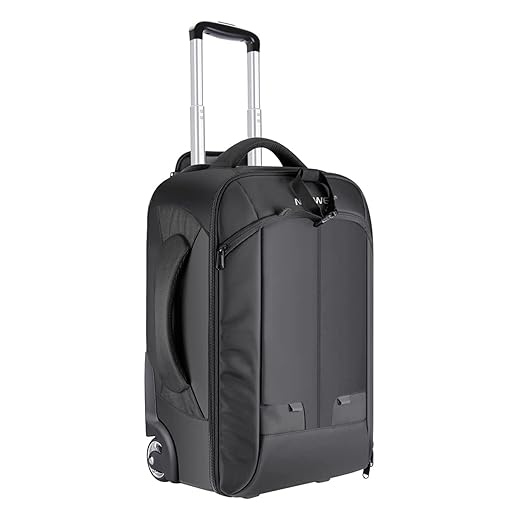

The Case for Convertible Bags: When One Bag Really Does Do It All
Where convertibles genuinely shine
We’ve watched convertibles save us in three repeat scenarios: sprinting to a gate with TSA lines closing, sliding into a hostel bunk with zero floor space, and hauling gear across cobblestone streets between trains. The hybrid format is about adaptability — backpack comfort when you’re hiking to the hostel, suitcase-style organization (or wheels) when the airport’s a drag.
The tradeoffs to know — quickly
Convertible bags are never perfect at everything; that’s the point. Practical tradeoffs we’ve learned:
If you fly strict-cabin airlines and want predictable dimensions, a modest hybrid can be a lifesaver.
Who gets the most mileage
We’ve found these bags are repeatedly useful for:
Quick, actionable pickers’ checklist
Next, we’ll show exactly how we put these hybrids through their paces — the tests that separated keepers from pretenders.
How We Put Convertible Bags Through Their Paces
Test scenarios: the real-world stress test
We built a mini obstacle course that mimics what travelers actually do. That meant timed airport sprints (roller-to-shoulder transitions while juggling a coffee), tossing the bag into an overhead bin, stuffing it under a hostel bunk, and trekking across uneven cobbles and subway stairs. We finished with a luggage tug test — think “will this handle rip out when you yank it off a carousel?” — to check frame and handle strength.
What we measured (and how)
We tracked five repeatable metrics, each with simple, practical tests:
How we weighted those metrics
Not all travelers care equally, so our scoring reflects typical needs:
Quick DIY checks you can run
Try a one-minute conversion, a 15-minute loaded walk, and a bin-fit test with a jacket inside — your back and future airport dashes will thank you.
Next up: the concrete features that separated keepers from pretenders — the little details that actually matter.
Must‑Have Features: What Separates a Keeper from a Pretender
We could have written this section as a laundry list of zippers and buzzwords, but we did the unglamorous work: we yanked straps, spun wheels, and carried full loads until our shoulders sent strongly worded feedback. Here’s what actually mattered.
Sturdy conversion hardware & wheel durability
If the conversion mechanism feels flimsy on day one, it will be a grief generator by trip three. Look for metal toggles or beefy polymer housings, positive detents for locks, and sealed wheel bearings. In the store, do a quick roll-and-tug test: smooth roll, no wobble, and no perceptible play in the axle.
Comfortable harnesses that disappear
A harness that buries itself neatly into a back panel is non‑negotiable. We favored systems with full shoulder padding, a removable sternum strap, and a tuck-away pocket for shoulder straps—think Osprey Farpoint-level convenience. If it pinches when tightened, pass.
Lockable, TSA‑friendly access
Top and side zippers that accept TSA locks (and don’t require contortionism to reach) save time and stress. External quick-access pockets for boarding passes and a TSA-approved laptop compartment are icing on the cake.
Hardshell vs. softshell: choose your compromise
Hardshells resist crushing and look sharp; softshells win on flexibility and external pockets. If you pack fragile gear, prioritize a rigid shell; if you need expandability, go soft.
Smart internals and subtle build details
When you’re shopping, run quick real-world checks: convert it, stuff it, shoulder it, and roll it. The features above are where the difference between a one-trip fling and a lifelong companion becomes obvious. Next, we’ll explain which models passed those tests and who each one is actually for.
Our Picks and Who They’re Actually For
The Commuter — nimble everyday carry
Our commuter pick: Osprey Sojourn (or a similar low-profile rolling backpack).
Why it stood out: effortless glide through train stations, fast tuck-away straps, and a slim footprint for bike racks and crowded subway cars.
Compromise: slightly heavier hardware and fewer external pockets than a pure daypack.
Our take: we’d squeeze this into our daily carry-on when meetings run into late trains.
The Weekend Warrior — fast conversion, big payoff
Our weekend pick: a compact roll‑top convertible with a clamshell main (think rugged softshell with quick-convert trolley).
Why it stood out: converts from pack to trolley in seconds and opens full-clamshell for quick packing between Airbnb hops.
Compromise: less structure for fragile items; you trade rigidity for speed.
Our take: perfect for short trips where speed beats micro-organization.
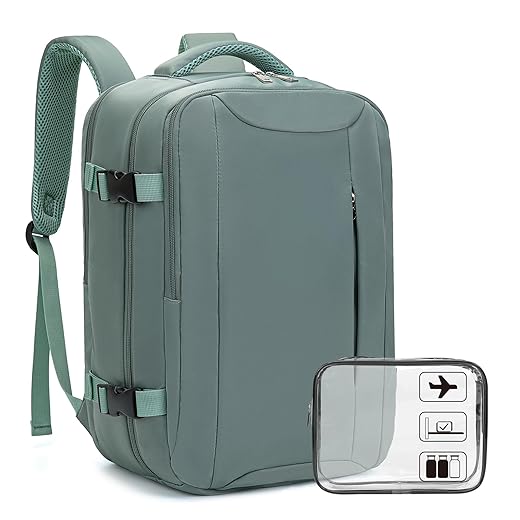
The Digital Nomad — laptop-first protection
Our nomad pick: Peak Design Travel Backpack (or equivalent tech-focused convert).
Why it stood out: padded laptop sleeve, clean internals, and a zip that opens like a suitcase for full access.
Compromise: heavier when fully loaded with gear; you’ll want a luggage scale.
Our take: we’d pick this when our desk is a coffee shop and our office is five countries in a row.
The Family Traveler — volume and sanity
Our family pick: a roomy convertible roller with strong compression straps and a large front-clamshell pocket.
Why it stood out: huge packing volume, predictable wheeled behavior through airports, and easy access to kids’ extras.
Compromise: bulkier in transit—plan to gate-check when car trunks get tight.
Our take: recommend someone else try this first if you’re ferrying toys and snacks for three kids.
The Adventure Traveler — rugged, weatherproof, roll-or-shoulder
Our adventure pick: a weatherproof wheeled duffel with beefy backpack harness and reinforced wheels.
Why it stood out: survives mud, boats, and the occasional waterfall mishap.
Compromise: fewer slim-pocket conveniences—this one is about durability, not neat little organizers.
Our take: this is the one we’d use when the itinerary includes unpaved roads and a stubborn sense of adventure.
Packing and Conversion Tactics That Unlock Extra Value
We teach practical tricks that turn a convertible bag from “meh” into “magic” on the road. Below are the small, repeatable moves that saved our shoulders, our patience, and one time—a very embarrassing queue delay.
Packing cubes and compression for convertible layouts
Use slim packing cubes (Eagle Creek Pack-It or similar) for clothes and a compression sack (Sea to Summit) for bulk items. In clamshell convert modes, stack cubes so the densest goes against the back panel; when worn as a backpack, move the densest to the bottom to keep the center of gravity low.
Converting mid‑trip without a luggage scale
When we don’t have a scale, we rely on a quick “bathroom-scale substitute”: weigh yourself holding the bag, then weigh yourself empty-handed—the difference is the bag. No scale? Do a two‑hand lift test: it should feel easily controllable for 3–5 seconds. If it doesn’t, offload or redistribute.
Balancing load to avoid shoulder strain
We learned this the hard way: once we stuffed a convertible bag until it looked like a bungee jump waiting to happen—our shoulders told us so. Fix: move heavy items (shoes, power bricks) into a lower compartment or wheel base, tighten hip and sternum straps, and shift smaller, frequently accessed things (wallet, sunglasses) to top pockets for quick reach.
Optimizing laptop and tech placement
Place laptops in a rear, padded sleeve for proximity to your spine when worn. For quick screening, use a slim, TSA‑compliant laptop sleeve you can slide out without unpacking the whole bag—Peak Design’s sleeve-style inserts work well.
Sneaky carry‑on upgrades at the gate
We’ve scored overhead slots by arriving early, boarding in the first groups, and being ready to collapse a cube into a tote. If space is tight, politely offer to gate‑check bulky items—you’ll usually get them back at the jetway. And always have a slim “personal item” bag ready to consolidate essentials in a squeeze.
Care, Longevity, and Knowing When to Replace It
We’re sentimental about bags — we’ll stitch on a patch before we buy a new one — but we also know when to cut our losses. Below are the everyday habits, smart fixes, warranty tactics, and retirement red flags that keep a convertible bag in service for years.
Quick daily care (the five‑minute routine)
A light shake to remove crumbs, empty the pockets, and unzip fully to air out after a trip prevents mildew and smells. Wipe down hard surfaces with a damp cloth and let damp bags dry open, vertically if possible.
Deep cleaning by fabric

Wheels, zippers, and hardware
Zippers: clean debris with a toothbrush, lubricate with graphite or paraffin; avoid oily sprays that attract dirt. Wheels: remove surface gunk, tighten axle nuts (small wrench), and replace bearings when grinding starts — a cobbler can swap wheels for $20–$40, which beats a new bag. Tighten loose screws and rivets; threadlocker (blue) saves recurring loosening.
Home repairs vs professional fixes
Do at home: seam re‑stitching, patching with Tenacious Tape, zipper sliders replaced with YKK sliders, reattaching buckles. Seek pros for frame realignment, welded polycarbonate shell cracks, or harness foam replacement — specialists have the tools for structural fixes.
Warranty reading and advocacy
Read limits: “lifetime” often excludes wear-and-tear. For claims: document damage with dated photos, keep receipts, and email succinctly — state model, purchase date, and desired remedy. Escalate politely to warranty support and, if needed, post on social channels; brands hate bad optics.
When to retire the bag
Watch for:
We’ll sew on patches and swear by repairs — but when the frame surrenders, it’s time to let go. Next up: wrapping this up with whether these bags truly earn their keep.
So Do Convertible Backpack‑Suitcases Really Earn Their Keep?
We’ll keep it simple: yes — when you pick wisely and use them like the flexible, occasionally awkward tool they are. The best convertible backpack‑suitcases balance structure, straps, and access; prioritize frame or reinforced base, smooth conversion hardware, comfortable harness, and thoughtful organization. For city breakers, weekenders, and hybrid work‑travelers they often replace two bags without feeling like a compromise.
Use packing cubes, compress soft items, and convert early to avoid awkward gate checks; treat heavy loads like a suitcase, light loads like a backpack. With basic care and a realistic load plan, one good convertible will save space, money, and decision fatigue. Try one — we’ve made the mistakes so you won’t have to. Buy smart—test it, return if it doesn’t fit your expectations.