
Built to outlast chargers — real off‑grid performance tested
I hate running out of battery when I’m days from the nearest charger. When you’re relying on a watch for navigation, safety, and tracking on long trips, a dead screen isn’t just annoying — it can be risky.
That’s why I tested the Garmin Instinct 2X SOLAR. With solar-boosted battery life, MIL‑STD toughness, multi-band GNSS navigation, and an integrated LED flashlight, it’s built to keep going when phones and chargers can’t — and in my experience it mostly lives up to that promise.
Garmin Instinct 2X SOLAR — 50mm Rugged GPS

I consider this an ideal choice for anyone who wants a watch that keeps going when phones and chargers can’t. It balances true ruggedness, practical navigation tools, and solar-boosted battery life in a package built for long stints off-grid.
In-depth Look: Garmin Instinct 2X SOLAR (50mm)
I’ve spent time exploring what makes this watch different from other rugged GPS devices, and in this deep-dive I’ll walk through the design decisions, battery performance, navigation tools, training features, and everyday usability that matter most when you’re planning long trips or hard training sessions.
Quick overview and first impressions
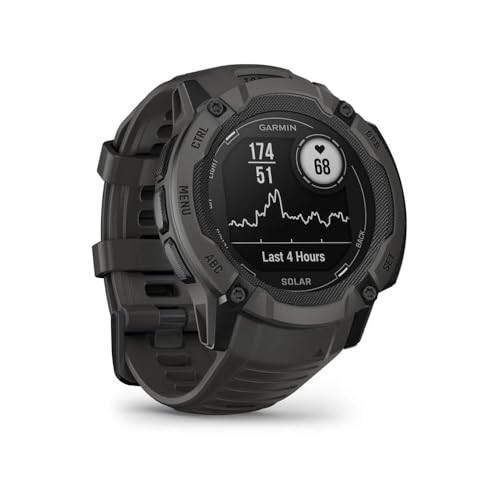
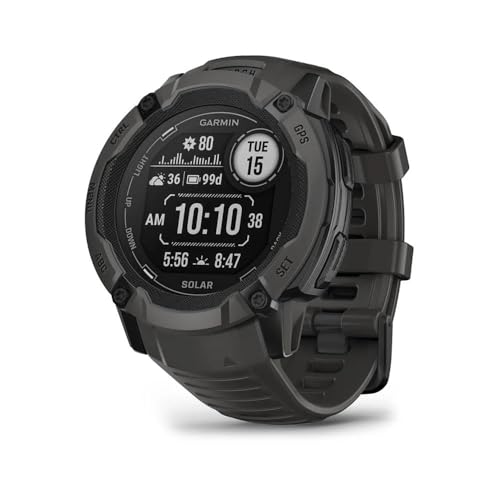
Right away I noticed the Instinct 2X SOLAR’s size and attitude: a large 50 mm polymer case designed to prioritize resilience and readability over elegance. The Graphite finish is understated and practical; it reads as a tool rather than jewelry. The control scheme uses physical buttons instead of relying on a touchscreen, which I appreciate when wearing gloves or when things are wet.
Design, materials, and durability
I approach the build with a checklist: toughness, comfort, and practicality. This model meets the MIL-STD 810 standard for thermal, shock, and water resistance, and that translates to a watch you can wear on a motorcycle, a cliff, or a muddy trail without worrying about cosmetic failure.
Solar charging and real-world battery life
Solar charging is the headline feature. Garmin upgraded the Power Glass lens on the 2X to harvest more energy, giving it substantially better solar efficiency than smaller Instinct models. In practice, solar extends how long I can go between charges rather than instantly making the watch literally infinite — but with sensible sun exposure you can achieve extremely long intervals between plug-ins.
Navigation, sensors, and positioning
For anyone who ventures off the beaten path, navigation matters more than aesthetic flourishes. The Instinct 2X offers multi-band GNSS support and onboard sensors that perform very well in obstructed or mountainous terrain.
Built-in sports apps and training features
I use the watch across a variety of activities and find Garmin’s activity suite both deep and practical. The watch includes modes for running, cycling, swimming, strength training, and more, and it surfaces training-focused metrics I genuinely use to plan recovery.
Health and wellness monitoring
The 24/7 health monitoring features are robust for a rugged outdoors-first watch. I appreciate the balance between passive data collection and actionable insight rather than being overwhelmed by alerts.
Everyday smart features and convenience
While I don’t rely on its smartwatch bells and whistles, the Instinct 2X covers the essentials you’d expect while keeping battery impact low.
Specs at a glance
| Feature | What I found important |
|---|---|
| Case size | 50 mm — very readable, substantial on the wrist |
| Display | 128 x 128 — rugged, legible but not high-fidelity |
| Battery life | Up to 40 days (smartwatch mode) — extended by solar exposure |
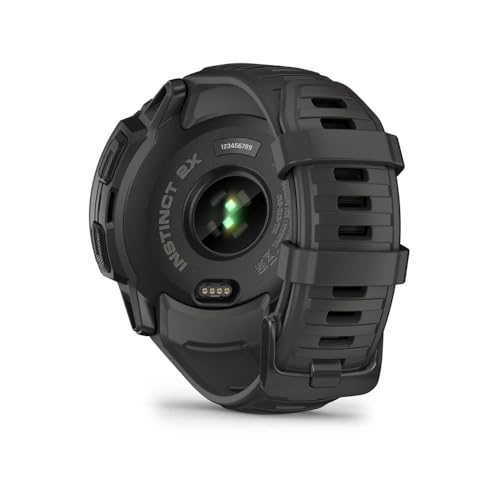
| Sensors | Multi-band GNSS, altimeter, compass, Pulse Ox, heart rate |
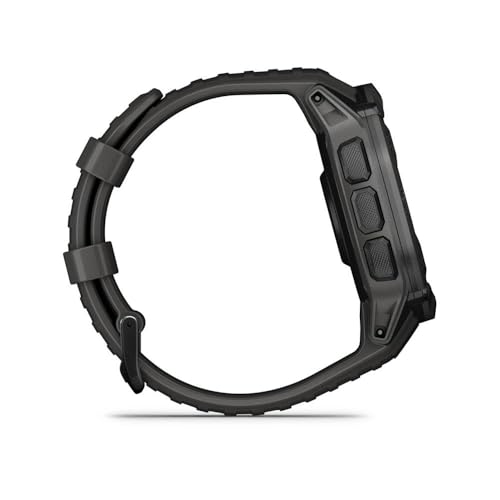
| Weight | ~67 grams — surprisingly light for the case size |
| Durability | MIL-STD 810 rated — built for abuse |
How it feels in daily use
I found the watch to be a dependable companion rather than a fashion accessory. It’s comfortable on extended adventures and its button interface is more reliable than some touch-first watches when conditions get messy. The flashlight has surprised me in real situations — it’s bright enough to be useful for campsite tasks and the SOS strobe adds valuable emergency utility.
Who should buy this watch?
If I were recommending based on use-case, this is for people who prioritize durability, battery life, and dependable navigation over the latest color displays or app ecosystems. It’s a go-to for hikers, trail runners, search-and-rescue volunteers, and anyone who wants a watch that won’t demand nightly charging.
Final thoughts
After spending time with the Instinct 2X SOLAR I respect its unapologetic focus: deliver endurance, navigation reliability, and ruggedness. It doesn’t try to be everything to everyone — it’s a tool for people who spend a lot of time outside and need a watch that keeps working when things get rough. I appreciate that Garmin prioritized meaningful battery life improvements and navigation accuracy while retaining a simple, durable interface.
If you want a watch that will outlast a weekend off-grid and still help you navigate, train, and monitor key health metrics, this is one of the most practical choices on the market.
FAQs
Solar charging meaningfully extends real-world runtime, but it’s not magic. In bright, direct sun you can dramatically reduce charging needs and—under ideal conditions—approach effectively continuous smartwatch operation. However, GPS-heavy activities and indoor-heavy use still require occasional plug-in charging.
It depends on your wrist and preferences. I found it substantial but comfortable thanks to the light weight and pliant silicone strap. If you prefer minimalist or dress watches, the size may feel bulky; if you want a large readable display for outdoor use, it’s excellent.
With multi-band GNSS, the positioning is noticeably more reliable in challenging conditions than single-band devices. I saw better consistency under tree cover and in canyons, though extreme terrain still benefits from route planning and common-sense navigation practices.
Yes. The watch is designed for multi-sport use, including swimming. It has a solid water-resistance rating suitable for pools and open-water swims, and it records relevant swim metrics.
Absolutely. The monochrome rugged display is optimized for high contrast outdoors; it’s not about color fidelity, but it’s very legible even in bright sunlight — which matters most for outdoor use.
No. The heart rate, Pulse Ox, and other sensors provide useful estimates and trends for fitness and wellness tracking, but they’re not medical diagnostic tools. Use them for awareness and training guidance, not clinical decisions.
Typical charge cycles are fast for a long-lasting battery; a full charge can be achieved in a couple of hours depending on the charger. Because the battery lasts so long between charges, frequent top-ups aren’t necessary.
Yes — the integrated LED flashlight is more than a novelty. It offers variable intensity, green/white modes, and an SOS strobe that I found practical for campsite tasks and signaling in low-light situations.

Really enjoyed the review — the battery life sounds almost mythical. I’ve been looking for something to take on multi-day hikes without dragging a power bank. A few quick questions:
– Does the solar actually make a noticeable difference in cloudy conditions?
– How heavy is it on the wrist for long treks?
Thanks for the deep dive!
Glad you liked the review, Claire. The solar boost is most noticeable when you’re regularly outdoors (several hours of daylight exposure per day). In overcast weather it still helps a little but won’t replace full charging. At 67 g it’s noticeable at first but comfortable after a few hours — much lighter than some full-size outdoor watches.
I’ve used the Instinct 2X for weekend trips. Cloudy days = smaller gains, but on a long sunny trek it extended my time off-grid by a few days. Not heavy, imo.
If you plan multi-day hikes, also consider how often you use GPS modes — that drains faster than screen or sensors. The solar helps, but pacing GPS use is key.
I’m thinking about this as a daily watch, not just for adventures. How are notifications and daily-smart features compared to mainstream smartwatches? I need calls and message previews.
Works great for me as a daily driver — battery and outdoor features outweigh the limited smart features.
If you want heavy phone-like interactions, this isn’t the platform. But for simple notifications and fitness data it’s excellent.
It handles basic notifications (calls, messages, app alerts) well, but it’s not designed to replace a full touchscreen smartwatch for complex interactions. You can read and dismiss notifications and use quick replies on Android, but no fancy widgets or apps like you get on Wear OS or Apple Watch.
I appreciate the two-year warranty and rugged build. For people who work outdoors, that peace of mind matters. Does the review mention repairability or replacement parts availability?
Garmin offers repairs through their support channels and replacement bands/accessories are generally easy to find. The core unit isn’t user-repairable beyond basic band swaps, but Garmin’s after-sales support is decent in my experience.
If you’re concerned, register the device and document any issues early — warranty claims are smoother that way.
I had to replace a band on an older Garmin; official and third-party bands were straightforward to source.
The design seems very utilitarian — which I like. But the display being OLED and 1.1 inches sounds small for a 50mm case. Is legibility an issue in bright sun?
I’ve had no trouble reading it outdoors. The button-backlight combo helps in low light too.
OLED helps with contrast and readability. In direct bright sun the screen is readable thanks to good contrast, though not as bright as some transflective displays designed specifically for sunlight. Overall it’s a solid compromise for a rugged device.
Does anyone know if the GPS accuracy is good for trail running in tree cover? My old watch loses signal frequently and it’s maddening.
The Instinct 2X SOLAR supports multiple satellite systems and performs well in partial canopy. It’s not perfect — dense canopy and steep valleys will still cause occasional drift — but it’s an improvement over some basic GPS-only watches.
Trail runs under thick forest are still a challenge for any GPS device. This one handled my local trails better than my previous watch though.
I’ve noticed it holds a lock better than cheap trackers. YMMV depending on terrain.
Just a small sarcastic note: ‘near-infinite off-grid watch’ — sure, until you decide to use every sensor and GPS mode continuously 😆. Still, sounds ace for long trips. Any battery-draining culprits to watch for?
Don’t forget widget refresh rates — fewer tweaks = better battery.
Haha, fair point. Continuous high-accuracy GPS modes, always-on sensors (like continuous pulse ox), and frequent syncing can drain battery quickly. Turning off unused sensors or switching GPS modes to a less precise setting can stretch battery life substantially.
Also disabling the constant HR sampling (set to smart intervals) helped me when I was trying to save juice.
Solar charging marketing: sometimes it’s a smokescreen. But the review’s battery life claim (up to 40 days) is impressive if that’s achievable in regular use. Has anyone hit anything close to that in normal daily wear?
40 days is the manufacturer spec under certain conditions (regular sun exposure, moderate sensor use). In everyday mixed use with lots of GPS activity you’ll see much less, but still several weeks rather than days. It’s about extending intervals between charges, not eliminating charging entirely.
40 days is like the best-case fantasy, lol. But it definitely stretches things out.
I got about 18-22 days with moderate use and some sunny exposure. Not 40, but miles better than my old smartwatch.
Quick usability note: the mix of buttons and touchscreen was confusing at first. Took me a while to stop fumbling during workouts. Once you learn the combos it’s fine, but mention for anyone switching from full-touch watches.
Pro tip: lock the touchscreen during activities to avoid accidental taps. Buttons work even with gloves!
Totally — the hybrid control scheme can trip up new users. I recommend customizing the most-used buttons and spending 10-15 minutes in settings to map shortcuts.
Minor gripe: IPX7 rating and ‘waterproof’ is listed, but that’s only 1 meter. Not ideal for diving or serious water sports. Anyone tested it while swimming?
Good catch. IPX7 covers accidental immersion up to 1m for 30 minutes. Garmin often certifies their sport watches for swim use in metadata, but check the swim modes and manufacturer notes if you plan on prolonged submersion or diving — the Instinct series generally supports pool and open-water swim tracking, but it’s not a dive computer.
I snorkeled with my older Instinct once and it was okay, but I wouldn’t push it into diving territory.
I’ve swum with it in a pool, tracked laps fine. Not sure about deeper sea or prolonged immersion though.
Price seems solid at ~£223. Has anyone seen big discounts elsewhere? Also, how does this compare to older Instinct models for notifications and smartwatch features?
Amazon’s price fluctuates — watch for sales around Black Friday or Prime Day. Compared to older Instincts, the 2X SOLAR improves battery longevity, adds more navigation tools and slightly refined health metrics, but it’s still more button-driven than touchscreen-focused smartwatches.
I grabbed mine on a flash sale for £199 last year. Not a huge difference in smart features vs earlier models, but the solar charging made it worth the upgrade for me.
A couple of longer thoughts — hope this helps someone deciding:
I bought this as a backup to my daily smartwatch because I wanted something tougher and with better battery life for travels. The Instinct 2X SOLAR is not pretty in the fashion sense but it’s functional. The navigation and breadcrumb features saved me on a misty ridge; I relied on it to find the trail back. Solar boost legit helped me avoid carrying extra cables on a 6-day trip. Downsides: map detail limited, and it can feel bulky on petite wrists. Overall, it’s a brilliant compromise for real outdoorsy folks.
Also, tiny typo in manual instructions drove me nuts for a day — Garmin should proofread 😉
That ridge story sold it to me. Practical anecdotes > spec sheets any day.
Great write-up. The ‘not pretty but functional’ line is my vibe too.
Agreed — the trail back story is the clincher. 😊
Thanks for sharing the field experience, Fatima. Love the real-world example — that’s exactly the scenario these watches are built for. And yeah, manuals sometimes assume you already know the lingo.
Love the rugged look. Graphite is a safe color. A couple of nitpicks:
1) Screen resolution is only 128×128 — would that affect map clarity?
2) 50mm might be too big for small wrists, no?
I have small wrists (15.5cm) and it looks oversized but still wearable. If you wear watches daily it becomes the new normal.
Maps are basic, but the navigation waypoints and breadcrumb trail are what mattered to me.
Also consider the silicone band — comfy even on long wears. 👍
Good points. The 128×128 OLED is fine for basic maps and turn-by-turn guidance, but don’t expect the crisp detail of full-color mapping watches. As for size, 50mm is large — wrists under ~16cm might find it bulky. Try one on if possible.
I’m curious about the sleep tracking. The spec list mentions sleep recording — is it reliable? I need accurate sleep stages for health reasons, not just ‘slept / woke’ counts.
The Instinct 2X SOLAR’s sleep tracking is good for general trends — light/deep/REM estimates and sleep score. It’s not as detailed as high-end sleep labs, but for day-to-day tracking it’s reliable enough to spot patterns or changes over time.
Agreed with admin. It nailed the nights I knew were rough, but don’t expect clinical accuracy. For most people it’s more than adequate.
One tip: wear it snug but comfy — loose bands can mess with HR-derived sleep stages.