Understanding Smart Watches: What They Are and Their Features
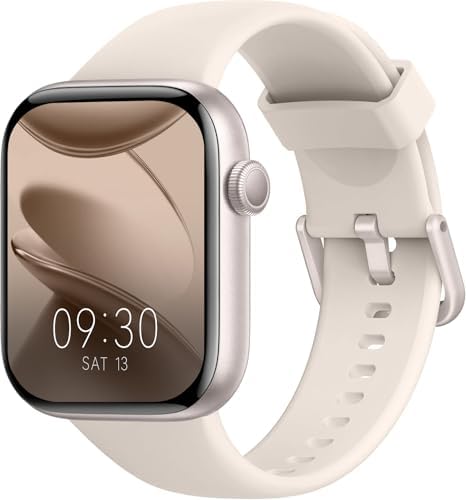
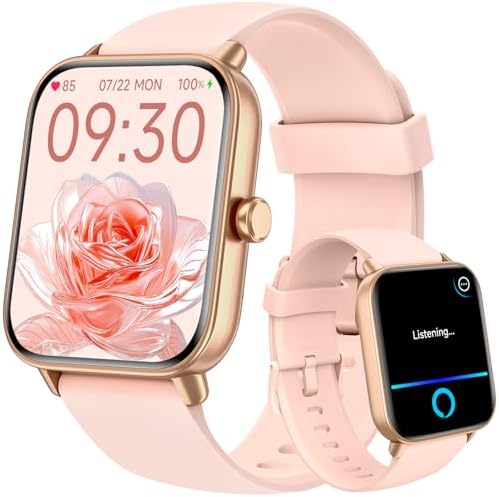
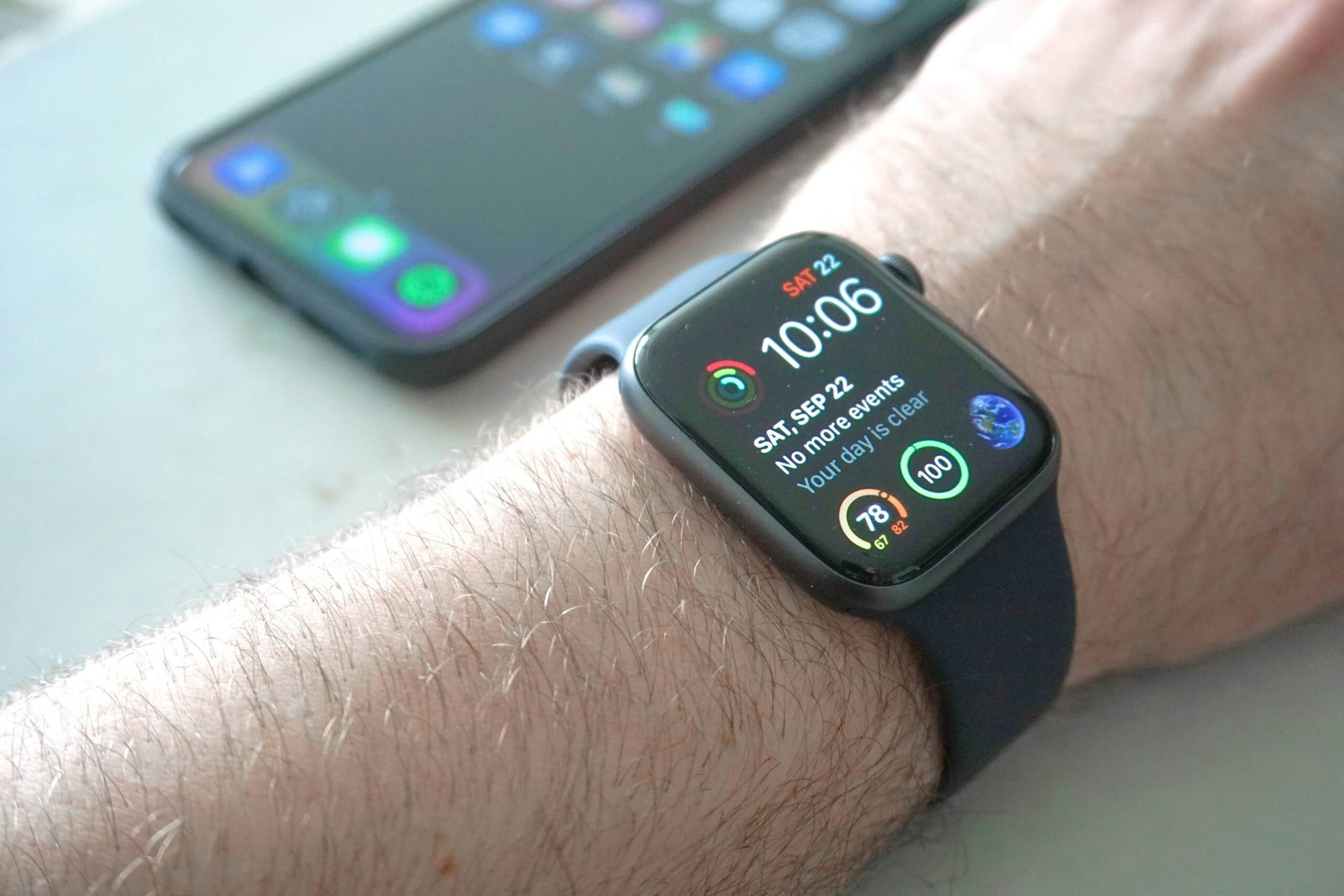
Smart watches are advanced timepieces that integrate technology with traditional watch functionalities, offering a wide array of features that cater to the modern user’s needs. Unlike conventional watches, which primarily serve the purpose of timekeeping, smart watches come equipped with the ability to connect to smartphones and provide users with a broad range of applications. This includes notifications for calls, texts, and emails, as well as the ability to respond directly from the wrist.
One of the key features of smart watches is their fitness tracking capability. Many models come with built-in sensors that monitor activities such as walking, running, and cycling, while also tracking heart rate and other health metrics. This health monitoring functionality can provide valuable insights into an individual’s overall fitness levels and lifestyle choices. Moreover, some smart watches are designed with specific fitness goals in mind, offering coaching and workout suggestions based on user data.
Navigation is another significant feature that adds utility to smart watches. GPS functionality allows users to access maps and get directions without needing to remove their smartphones. This hands-free convenience is particularly beneficial for outdoor enthusiasts and travelers. Furthermore, smart watches often possess customization options, enabling users to select watch faces, change straps, and download apps to enhance the user experience.
The evolution of smart watches has been quite remarkable since their inception, as their design and technology have seen considerable advancements. Initially, they were limited in functionality and market presence, appealing mostly to tech enthusiasts. However, as technology has progressed, smart watches have become a staple for various demographics, emphasizing the increasing interest in wearable technology that merges practicality with convenience.
The Benefits of Using Smart Watches in Daily Life
Smart watches have emerged as powerful tools that can significantly enhance various aspects of daily life. One of the primary benefits of using a smart watch is the ability to manage notifications and calendar events more efficiently. Users can receive calls, messages, and app notifications directly on their wrist, allowing for quick access without having to reach for their smartphones. This functionality promotes increased productivity, enabling users to prioritize responses and minimize distractions from their tasks.
In addition to productivity enhancements, smart watches play a crucial role in promoting a healthier lifestyle. With integrated fitness tracking capabilities, such as step counting, heart rate monitoring, and sleep analysis, these devices encourage users to stay active and maintain a balanced regimen. Some smart watches provide reminders to move, thus combating sedentary lifestyles. The incorporation of health monitoring features, including stress management and breathing exercises, further supports users in developing better health habits.
Moreover, personal safety is another vital advantage of smart watches. Many models are equipped with GPS functionality, enabling users to navigate unfamiliar areas more easily. In emergency situations, features such as SOS alerts and fall detection can automatically notify designated contacts or emergency services, providing peace of mind to users and their loved ones. For instance, an elderly user might share their experience of feeling more secure knowing that help is just a button press away.
User testimonials consistently illustrate how smart watches have positively influenced daily routines. From professionals who appreciate the seamless connectivity to fitness enthusiasts who utilize health data to achieve their goals, the practical benefits of smart watches are clear. As technology advances, it is expected that the functionality and benefits of smart watches will only continue to grow.
Innovative Technology Behind Smart Watches: A Deep Dive
The surge in popularity of smart watches can be attributed to the groundbreaking technologies that have been integrated into these devices. At the heart of smart watches are various sensors that contribute to their functionality. For instance, heart rate sensors play a vital role in monitoring fitness levels and overall health. Accelerometers and gyroscopes are utilized for activity tracking, allowing users to monitor their steps and movements with remarkable accuracy. Sleep tracking features are also present, providing insights into sleep patterns by employing sensors that analyze movement and heart rates during the night.
The operating systems that power these smart watches, such as Wear OS and watchOS, enable seamless user experiences. These platforms support numerous applications, providing users with functionalities like notifications, navigation, and health monitoring directly from their wrist. Additionally, the integration of artificial intelligence has further elevated the user experience, offering personalized insights and recommendations based on individual usage patterns.
Connectivity is another crucial aspect of smart watches, with Bluetooth and Wi-Fi capabilities allowing users to link their devices with smartphones and other smart appliances. This connectivity enables features such as receiving calls and messages without needing to reach for a phone. Moreover, many smart watches are now designed to integrate with smart home devices, reflecting a move towards a more interconnected technological ecosystem.
Battery life and display technology also significantly impact the user experience. Advances in battery efficiency may lead to longer usage times, while improved display technologies, including AMOLED and OLED screens, provide vibrant visuals with touch capabilities. These enhancements contribute not only to functionality but also to the overall aesthetics and usability, making smart watches a favored choice amongst consumers.
The Future of Smart Watches: Trends and Predictions
The smart watch market is on the cusp of significant transformation, propelled by technological advancements and shifting consumer expectations. Current trends indicate a growing interest in augmented reality (AR) integration within smart watches. This innovation is set to enhance user engagement by overlaying digital information onto physical environments, allowing users to interact with their surroundings in unprecedented ways. For instance, AR features can provide navigation instructions or health management prompts as users navigate through daily life.
Moreover, health monitoring remains a top priority for consumers, and the trend towards more sophisticated monitoring capabilities is poised to expand. Future smart watches are likely to incorporate advanced biometrics and sensors to deliver real-time insights into various health metrics, such as blood pressure, hydration levels, and glucose levels. These innovations aim to further empower users in managing their health proactively, potentially reducing the burden on healthcare systems.
The integration of emerging technologies such as artificial intelligence (AI) and 5G connectivity is another key trend shaping the trajectory of smart watches. With AI, smart watches can offer personalized recommendations, enhancing user experience through machine learning. Meanwhile, the enhanced speed and connectivity of 5G networks will facilitate seamless interactions with other devices, enabling smarter ecosystems where smart watches can relay critical information instantly.
Market analysts and industry experts suggest that the demand for these advanced features will likely drive innovation, leading to an expansion of the smart watch user base. As these devices evolve into multifunctional tools that integrate more deeply into users’ lives, we may see new use cases emerge in various sectors, including fitness, healthcare, and even fashion. The future of smart watches is thus promising, highlighting a continued evolution in wearable technology.